Ready to Get Started?
Tell us about your tile project and request a free estimate.
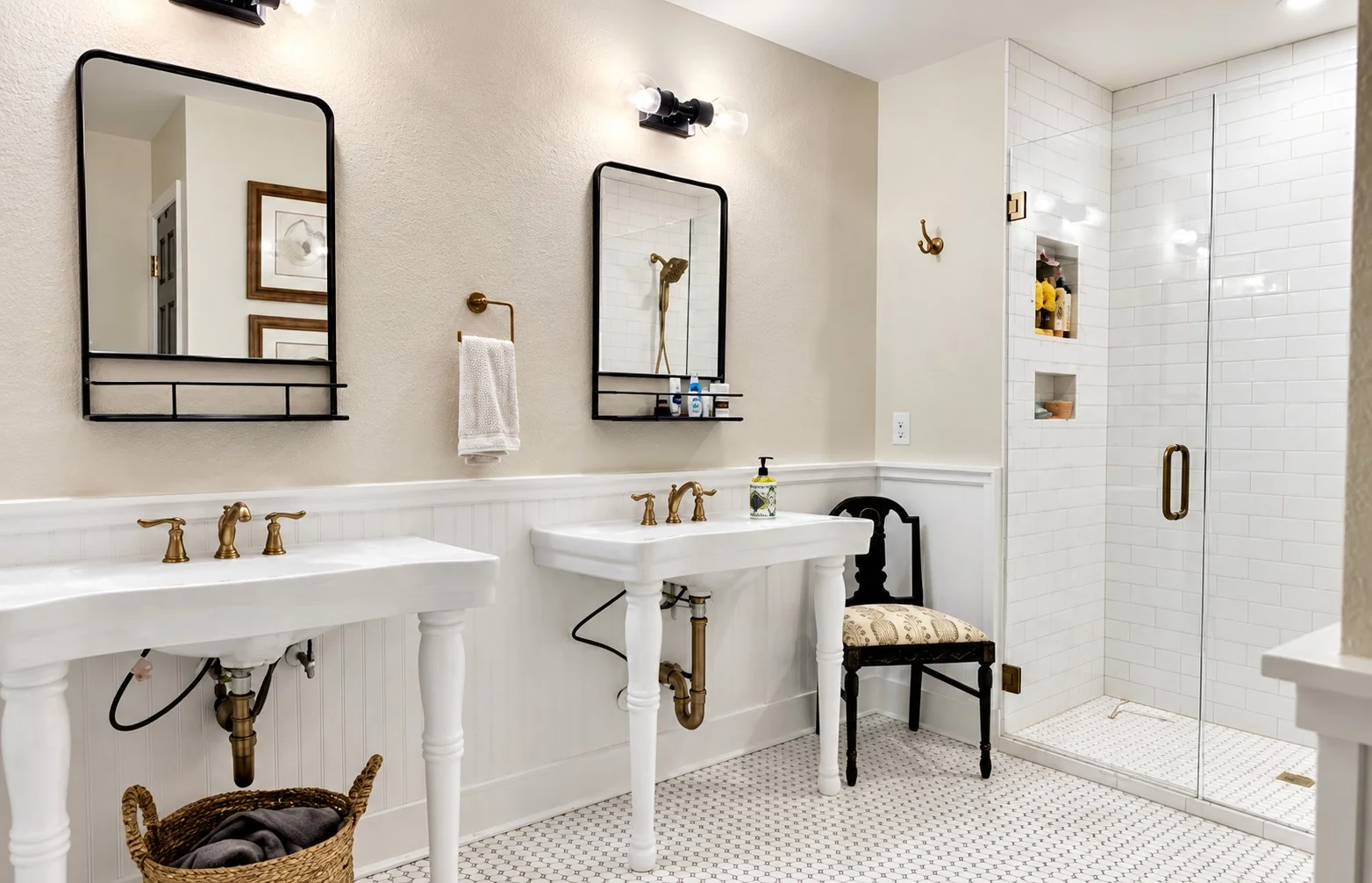
Custom showers, bathroom renovations, floors, and natural stone.
Family-Owned Since 2002 · Free Estimates
Our expertise
Custom showers, backsplashes, floors, and natural stone. Thoughtful materials, precise layouts, and family craftsmanship for Centennial homes.
Tell us about your tile project and request a free estimate.
Choosing remodeling contractors in Centennial, CO means choosing the workmanship that shapes how your home looks, feels, and performs every day. At Meza Tile and Stone, we help homeowners transform kitchens, bathrooms, basements, floors, fireplaces, and custom surfaces with detail-focused craftsmanship built for long-term durability. Whether you are planning a full remodel or upgrading one standout feature, we bring more than 23 years of experience to every project.
In homes across Centennial and the Southern Metro Denver area, material quality and installation quality both matter. Dry air, changing seasons, and daily wear all put pressure on tile, stone, grout lines, countertops, and finish details. That is why we focus on clean prep work, accurate installation, dependable communication, and materials chosen to perform well over time.
From custom tile work and natural stone surfaces to full remodeling services, our work is built around craftsmanship that looks sharp, functions well, and adds lasting value.
Based at 6860 S Yosemite Ct, Suite 2238, Centennial, CO 80112, we serve Centennial and Southern Metro Denver, including Littleton, Lone Tree, and Highlands Ranch. Explore our Centennial tile installation services for showers, bathroom renovations, floors, and natural stone.
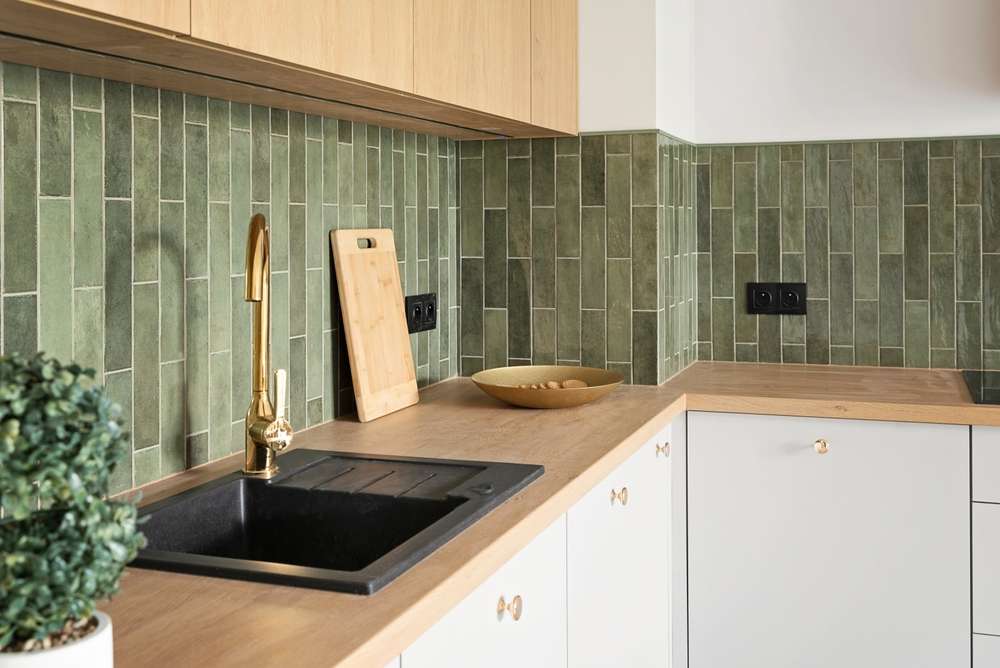
Selected installations
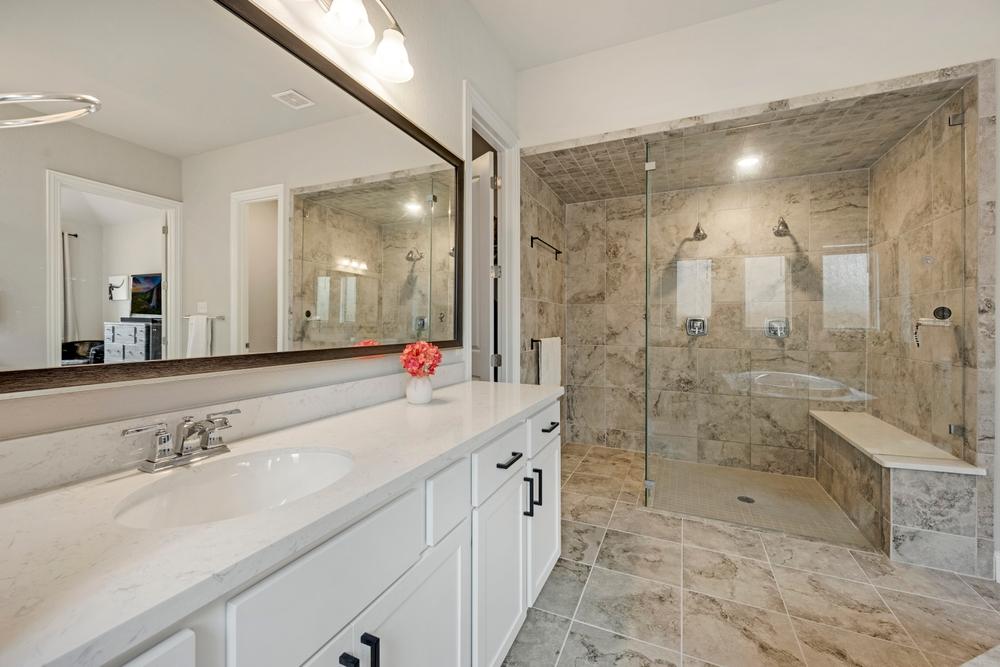
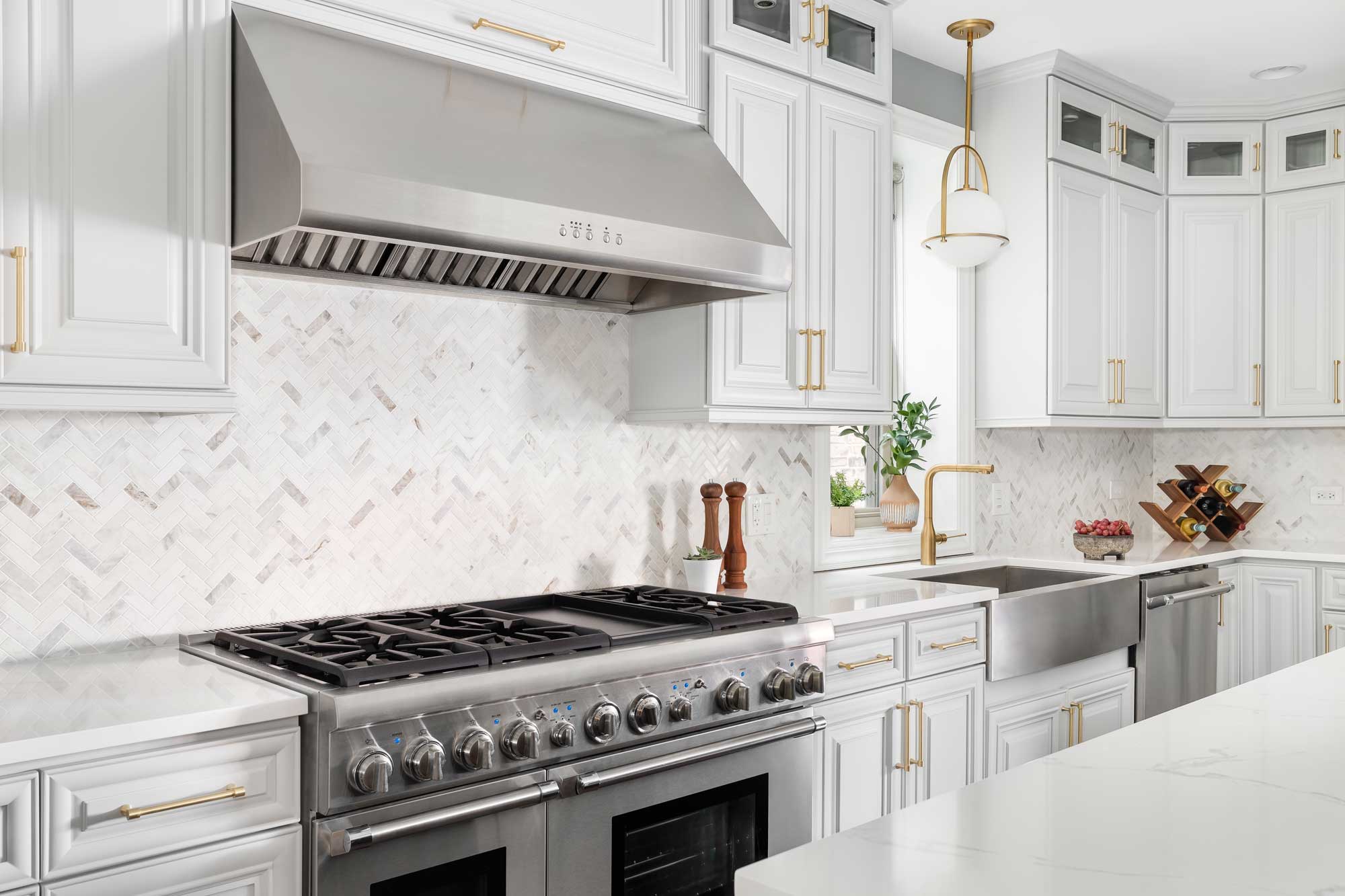
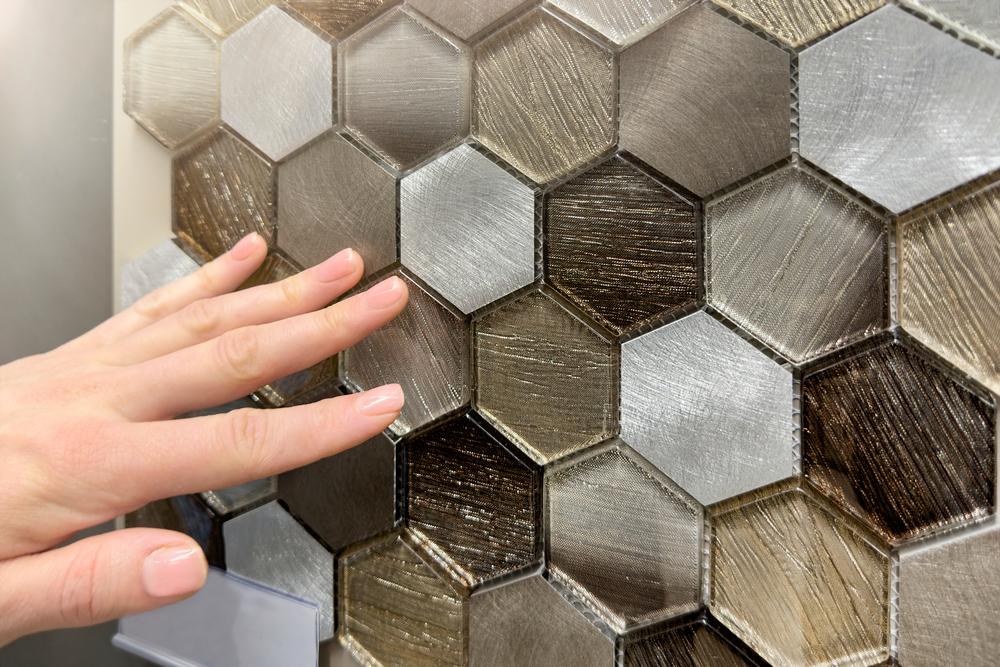
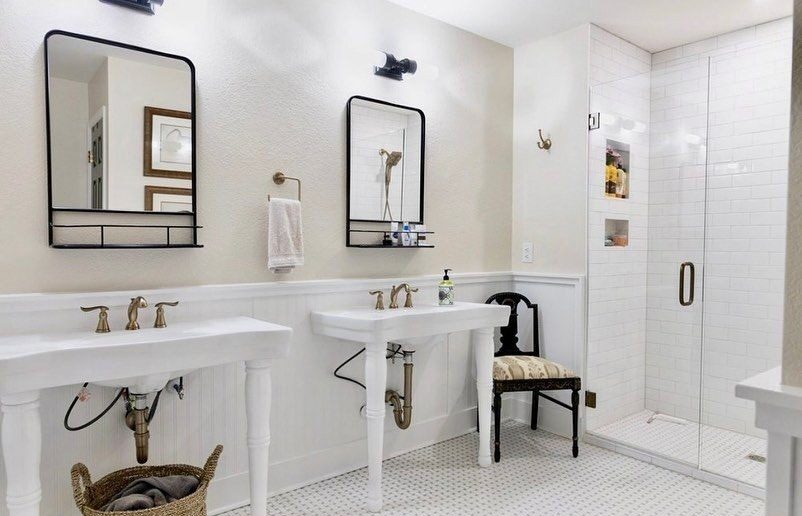
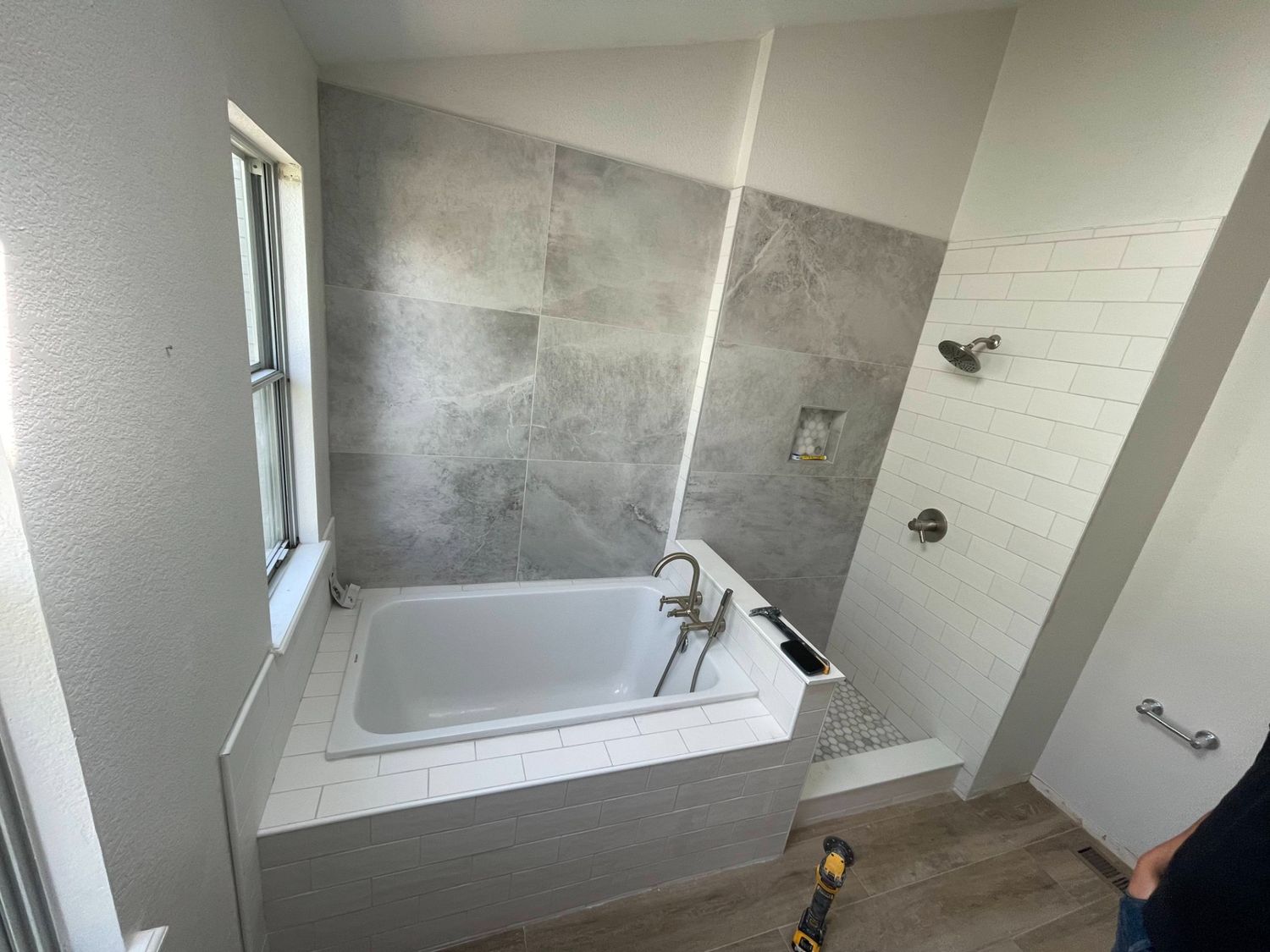
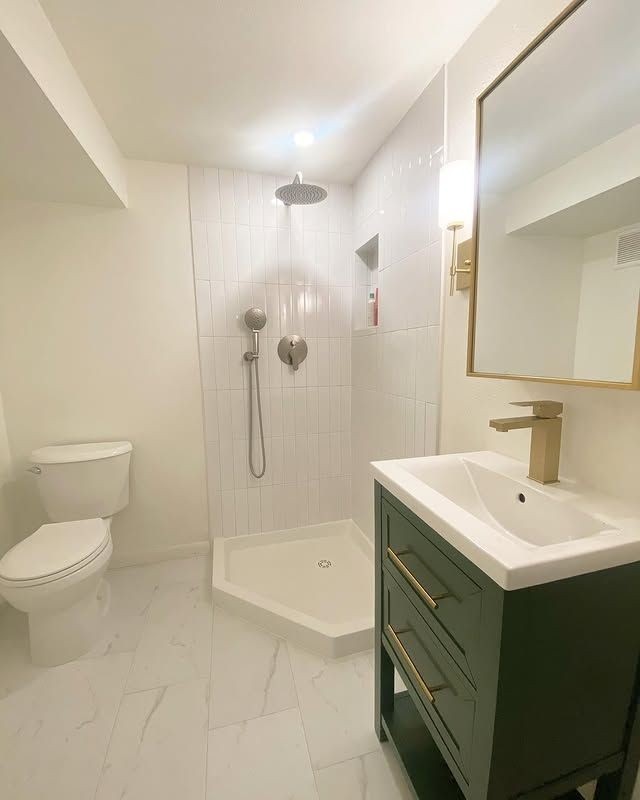
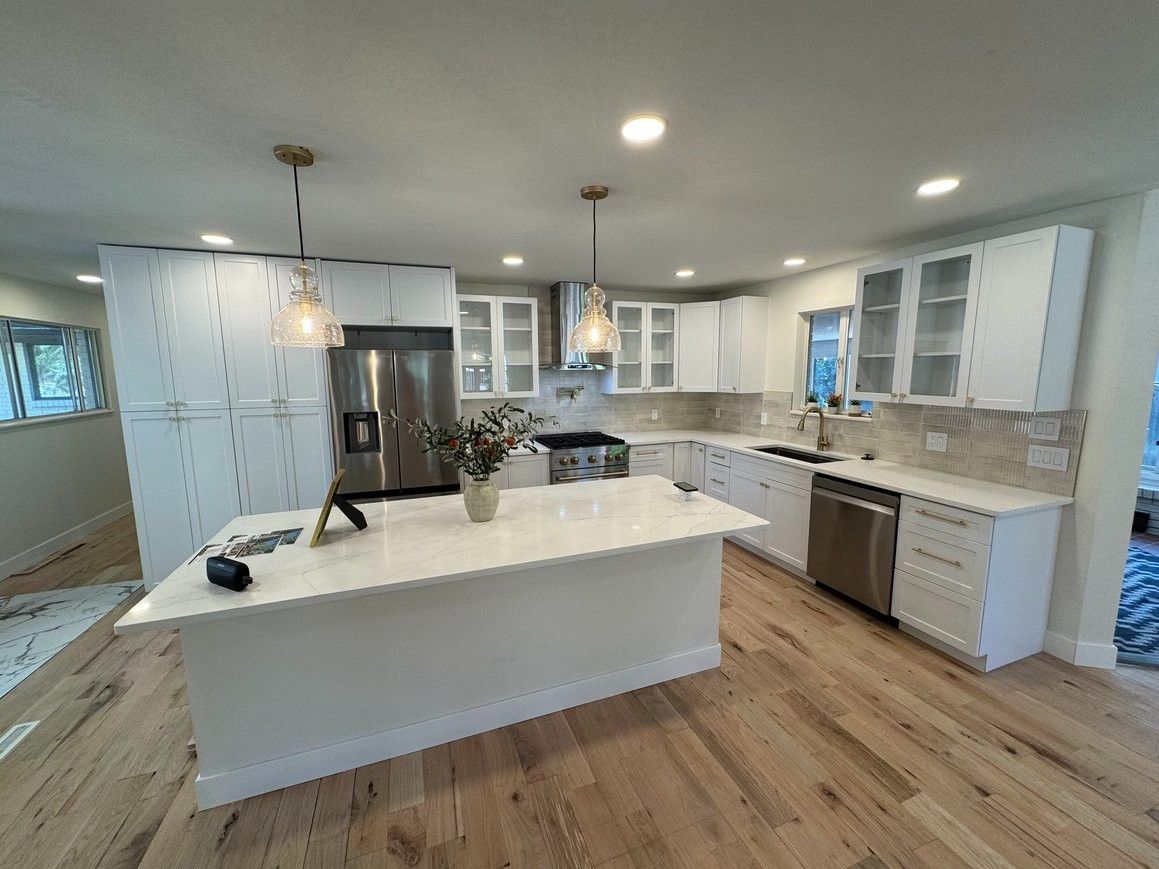
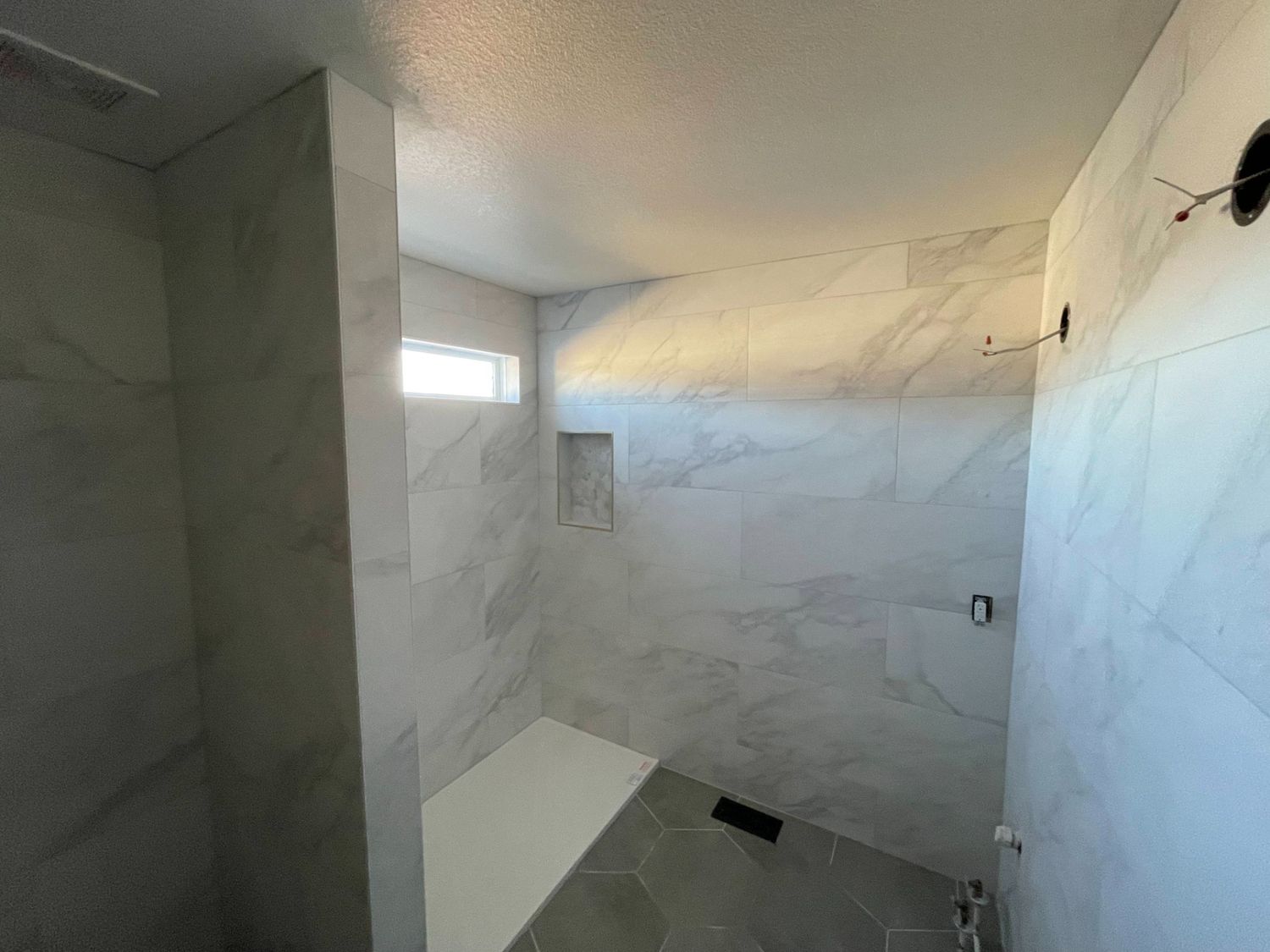
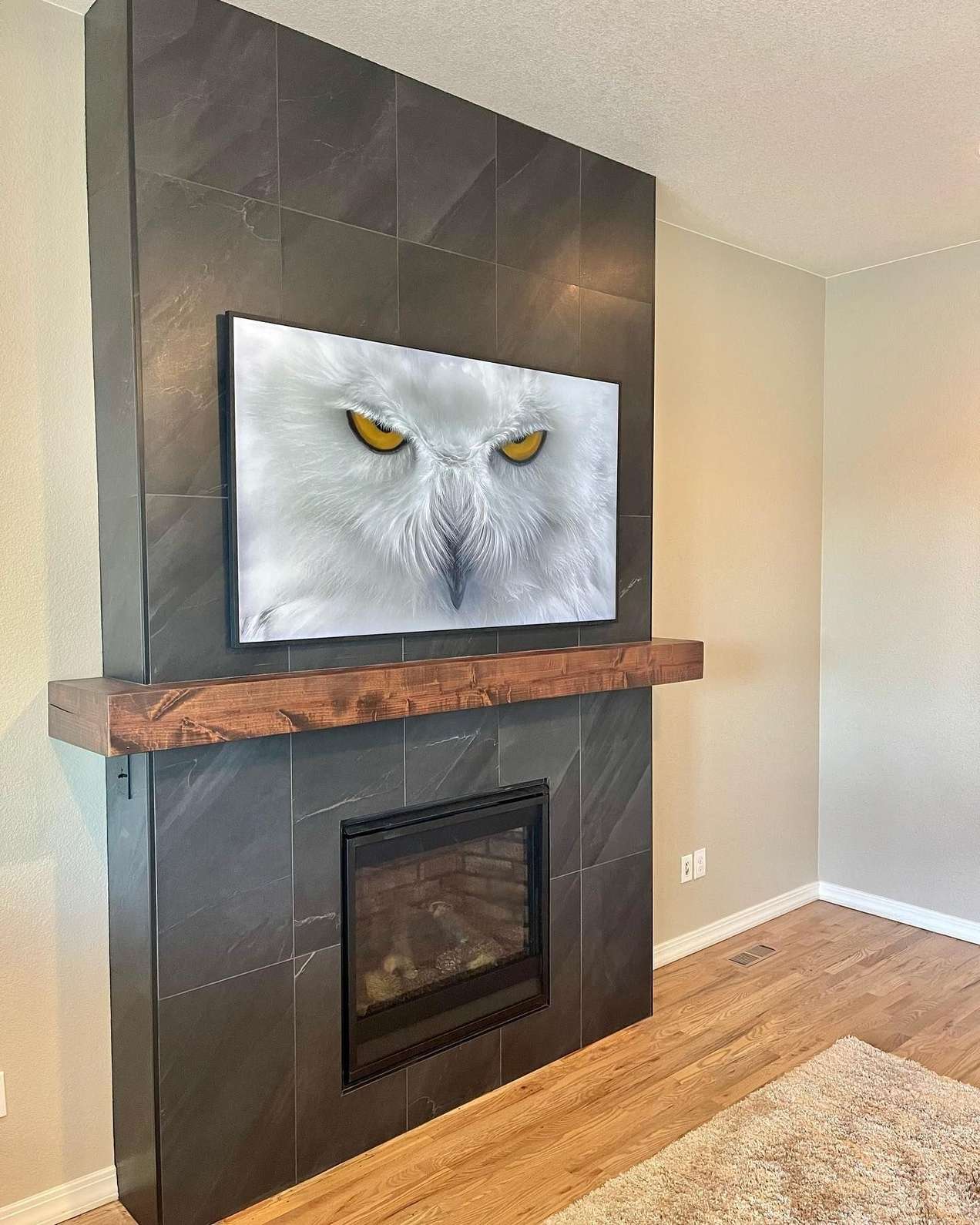
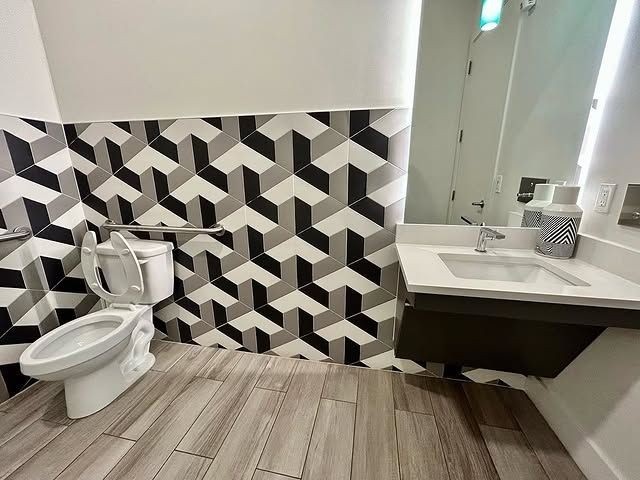
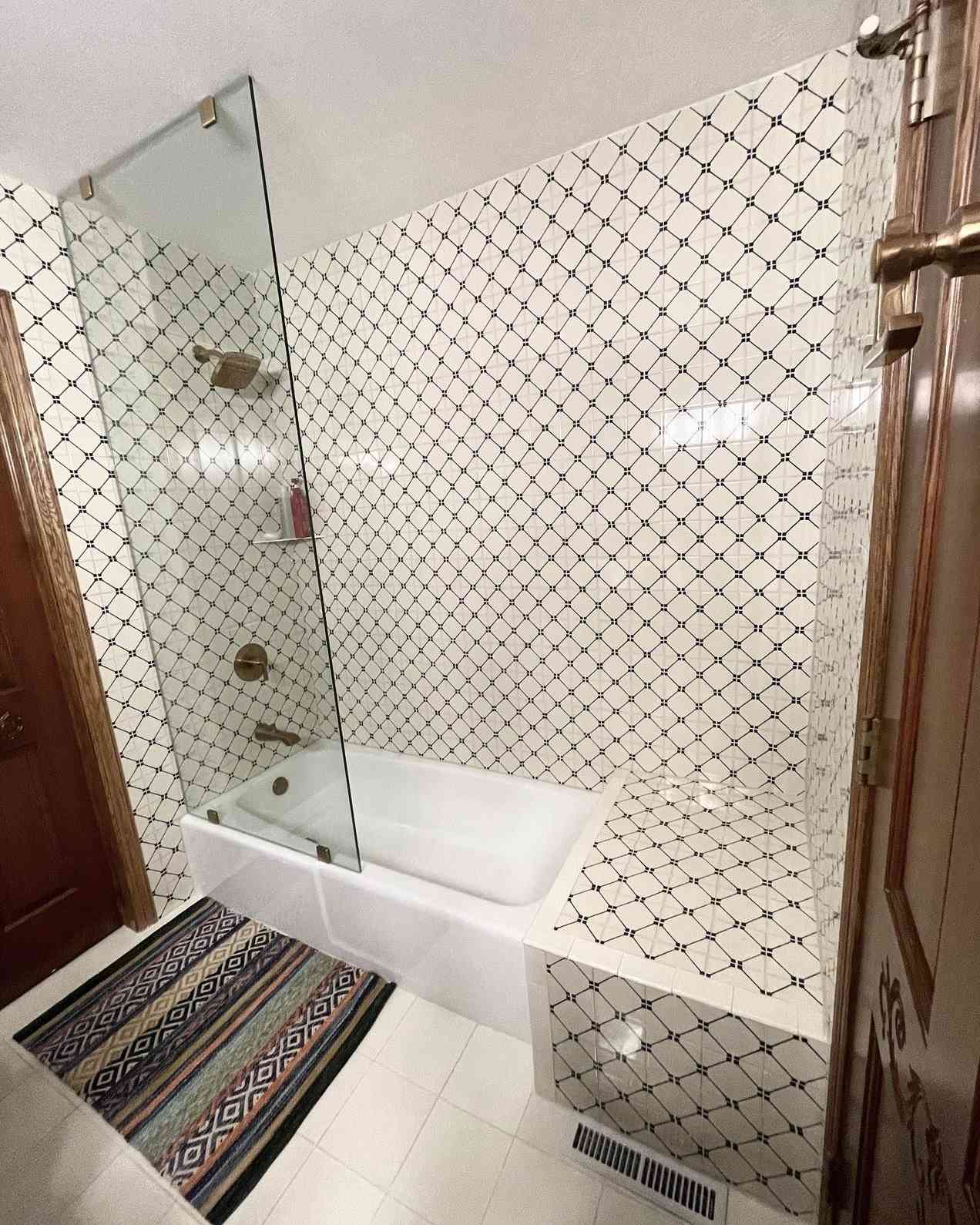
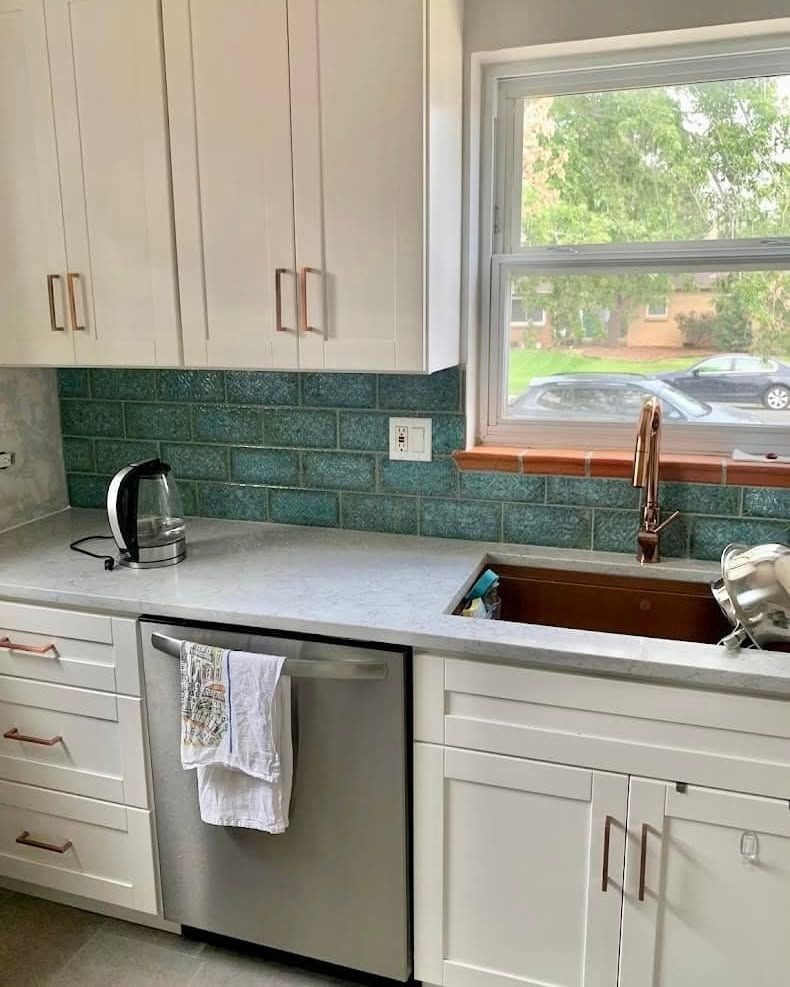
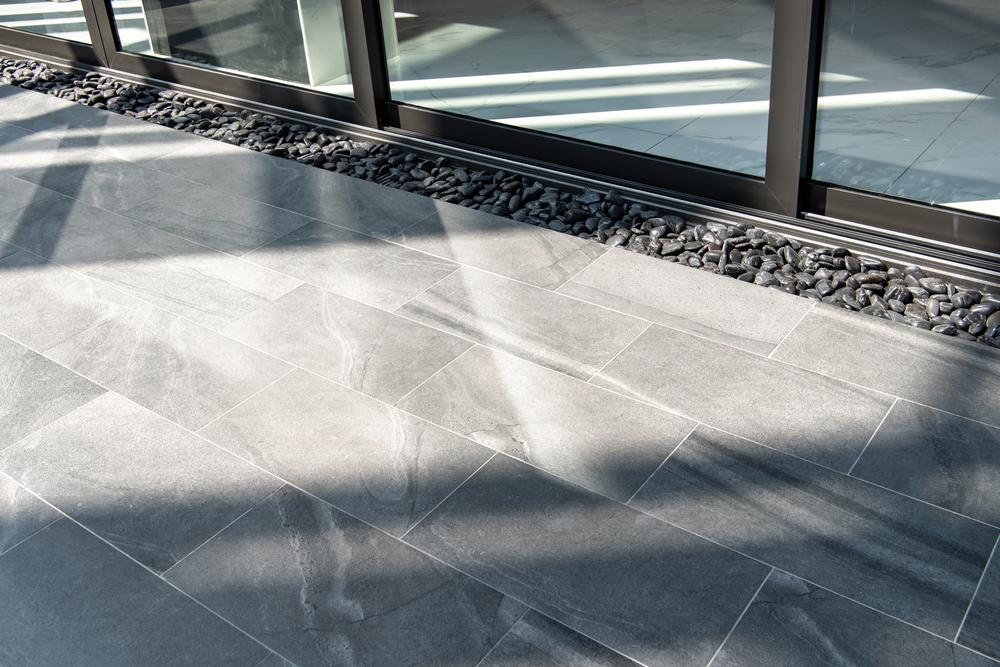
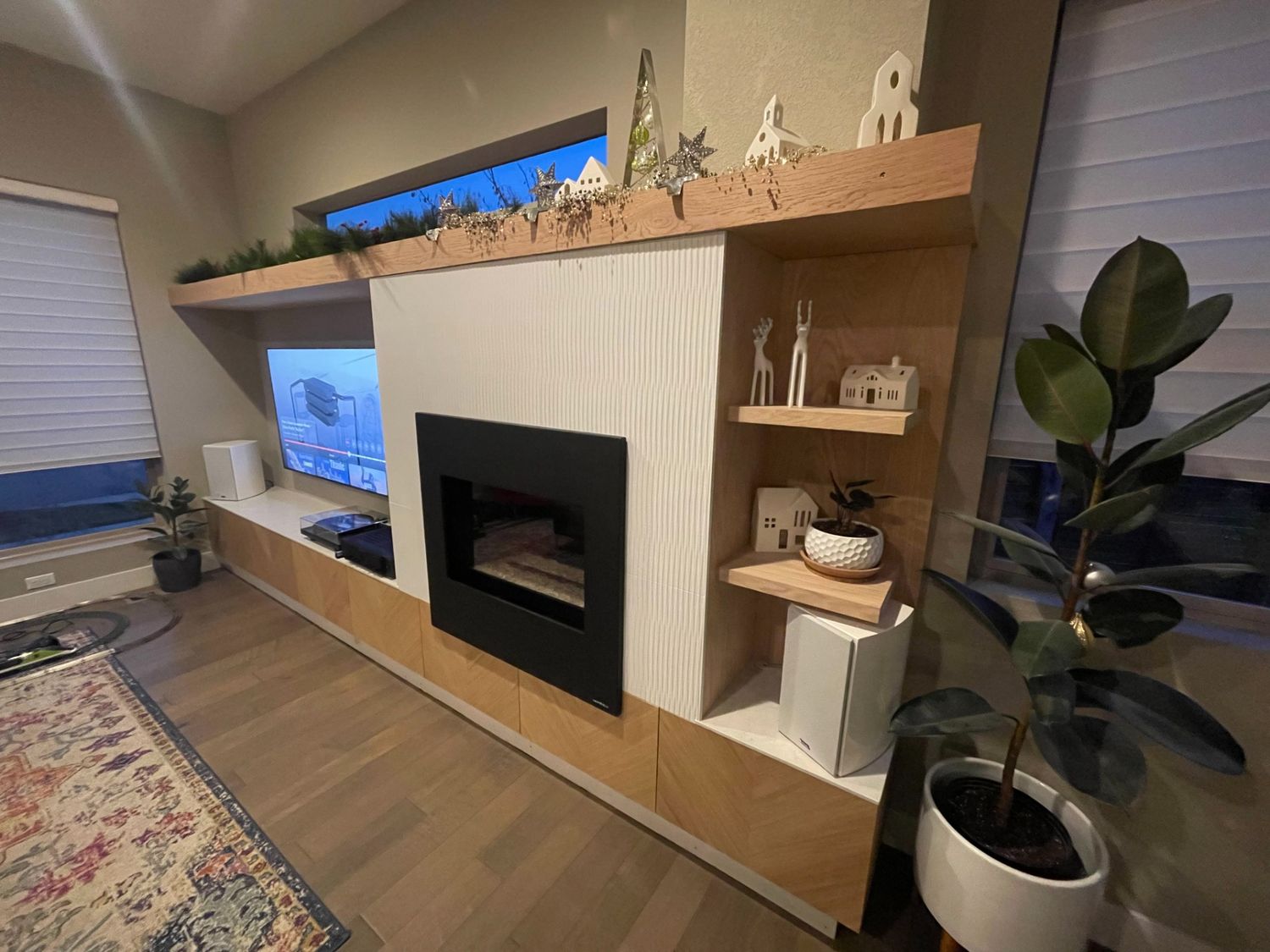
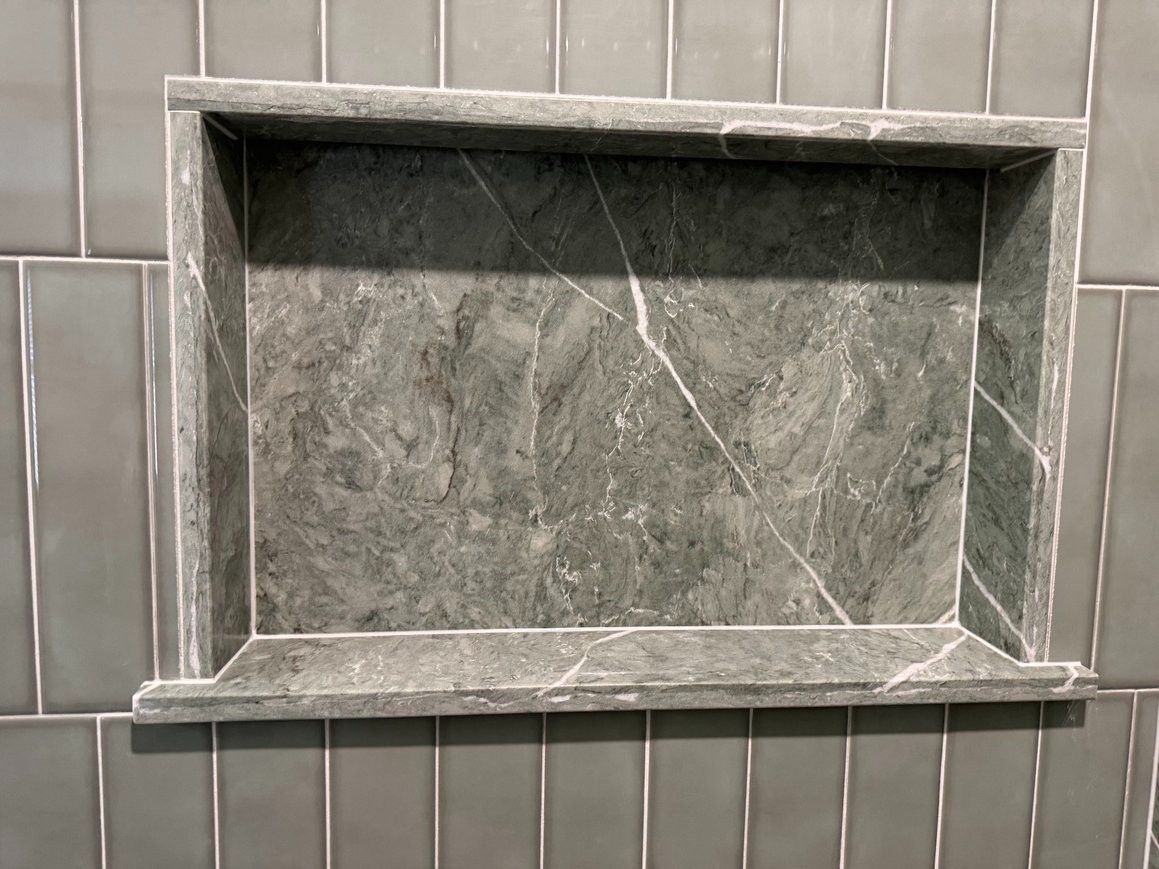
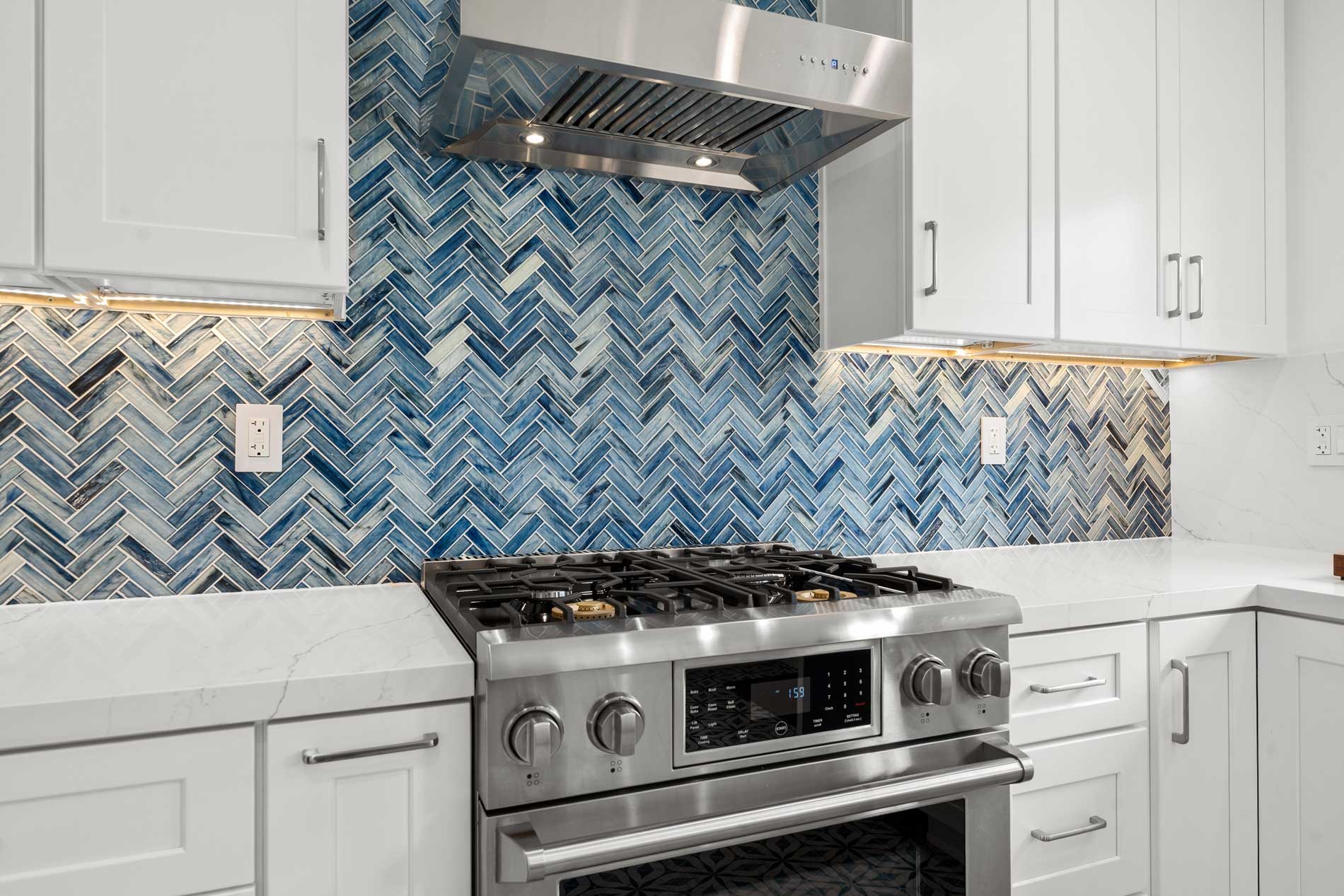
Explore our bathroom tile, shower details, and floor tile installation in Centennial, alongside backsplash and fireplace examples from the Meza project collection.
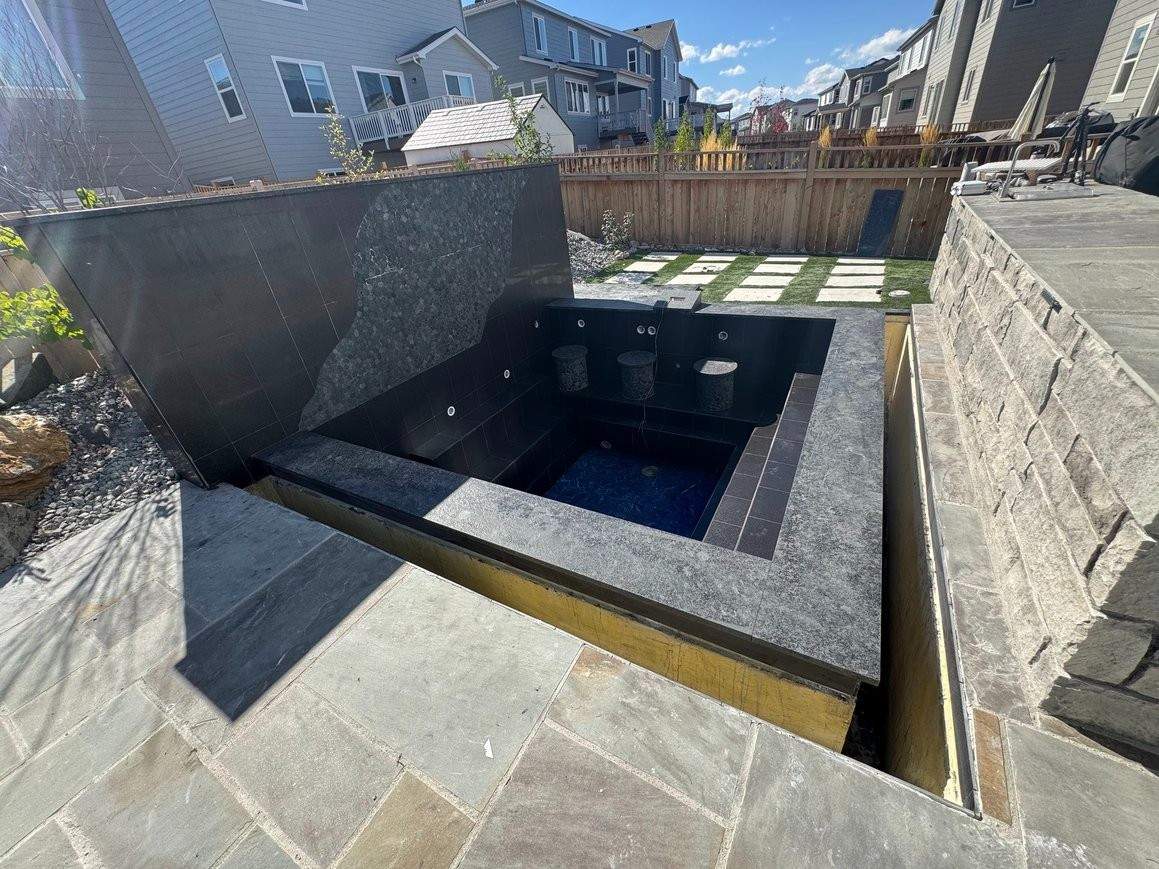
Homeowners want more than someone who can install materials. They want a team that communicates clearly, respects the home, works efficiently, and delivers finished results that actually look professional. That combination of reliability and craftsmanship is why so many clients come to us for repeat work and referrals.
Our experience across kitchens, bathrooms, basements, stone surfaces, and custom finishes gives us a better perspective on how materials should work together throughout the home. If you are planning upgrades in more than one area, services like custom closets and other interior improvements can also be coordinated more naturally when the bigger picture is considered from the start.
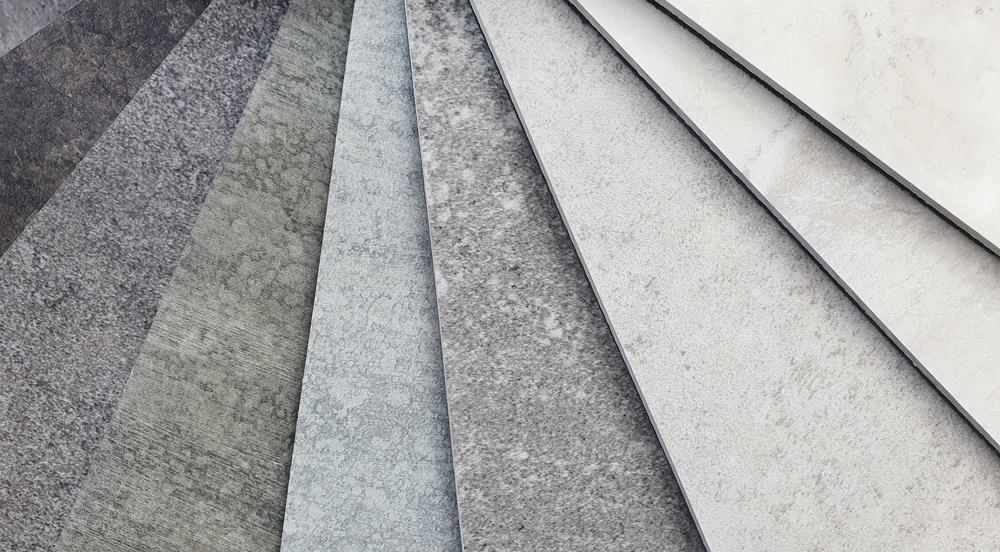
Tile defines the character of a room in a way few other finishes can. It influences texture, pattern, color balance, and the overall finish quality of a space. Whether the goal is a clean modern look, a warm natural feel, or a more custom pattern-driven design, installation quality is what determines whether the result feels polished or rushed.
We install tile with careful attention to prep, leveling, layout, spacing, and finishing details so the surface looks right and holds up over time. Homeowners come to us for full-room tile upgrades and for specific focal areas across the home:
For homeowners focused on a specific surface or room, our full tile installation services cover every application across the home with the same commitment to quality craftsmanship.
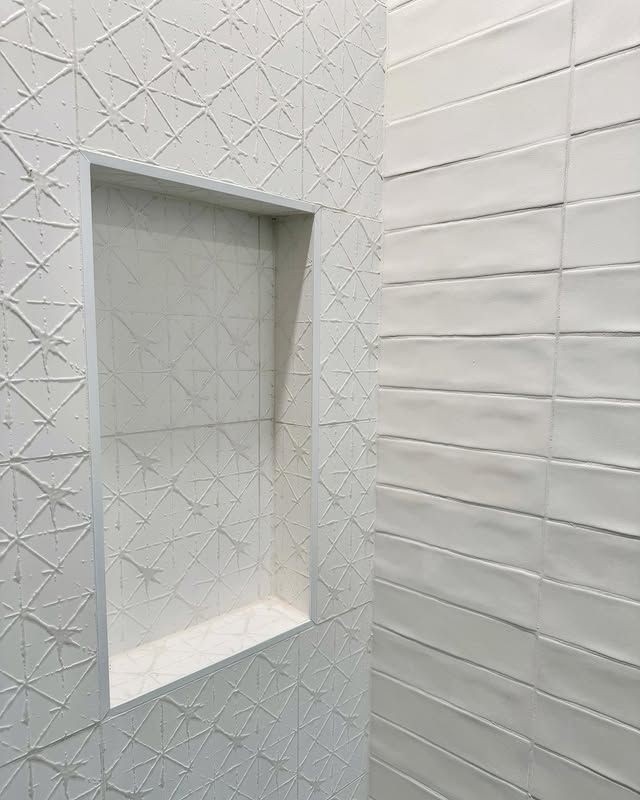
Craftsmanship for Colorado homes
Natural beauty, precise installation, and local experience, explore the details behind our Colorado craftsmanship.
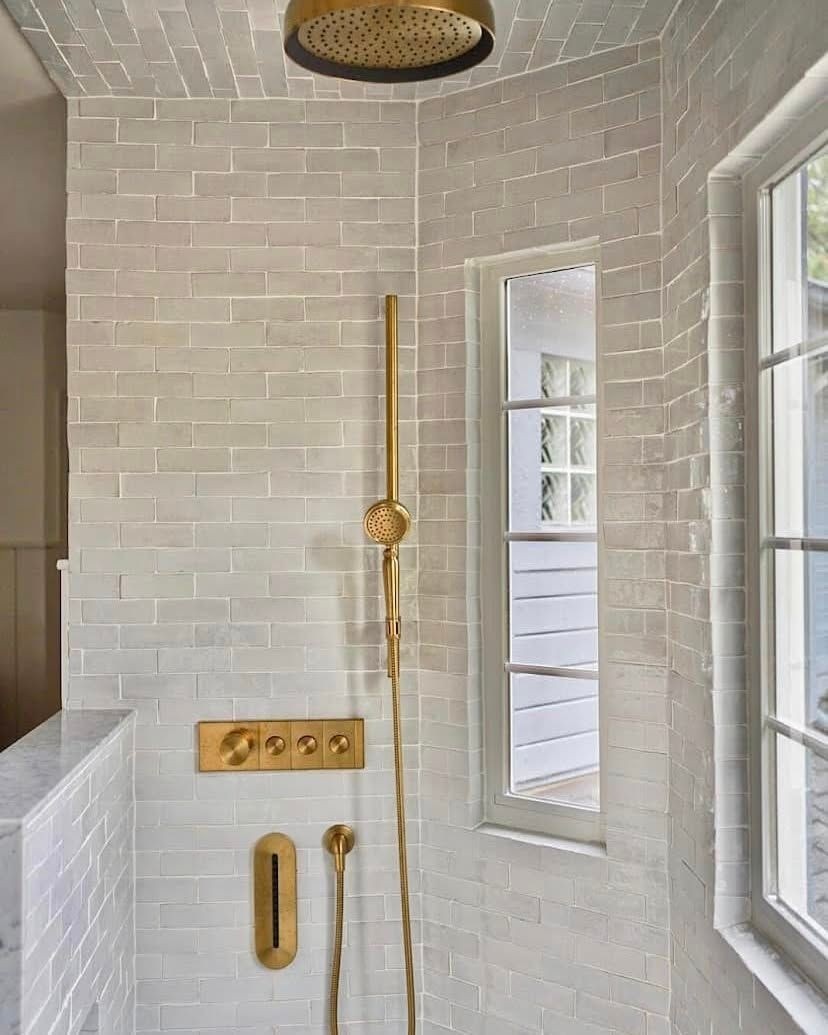
Tile defines the character of a room in a way few other finishes can. It influences texture, pattern, color balance, and the overall finish quality of a space. Whether the goal is a clean modern look, a warm natural feel, or a more custom pattern-driven design, installation quality is what determines whether the result feels polished or rushed.
We install tile with careful attention to prep, leveling, layout, spacing, and finishing details so the surface looks right and holds up over time. Homeowners come to us for full-room tile upgrades and for specific focal areas across the home:
For homeowners focused on a specific surface or room, our full tile installation services cover every application across the home with the same commitment to quality craftsmanship.
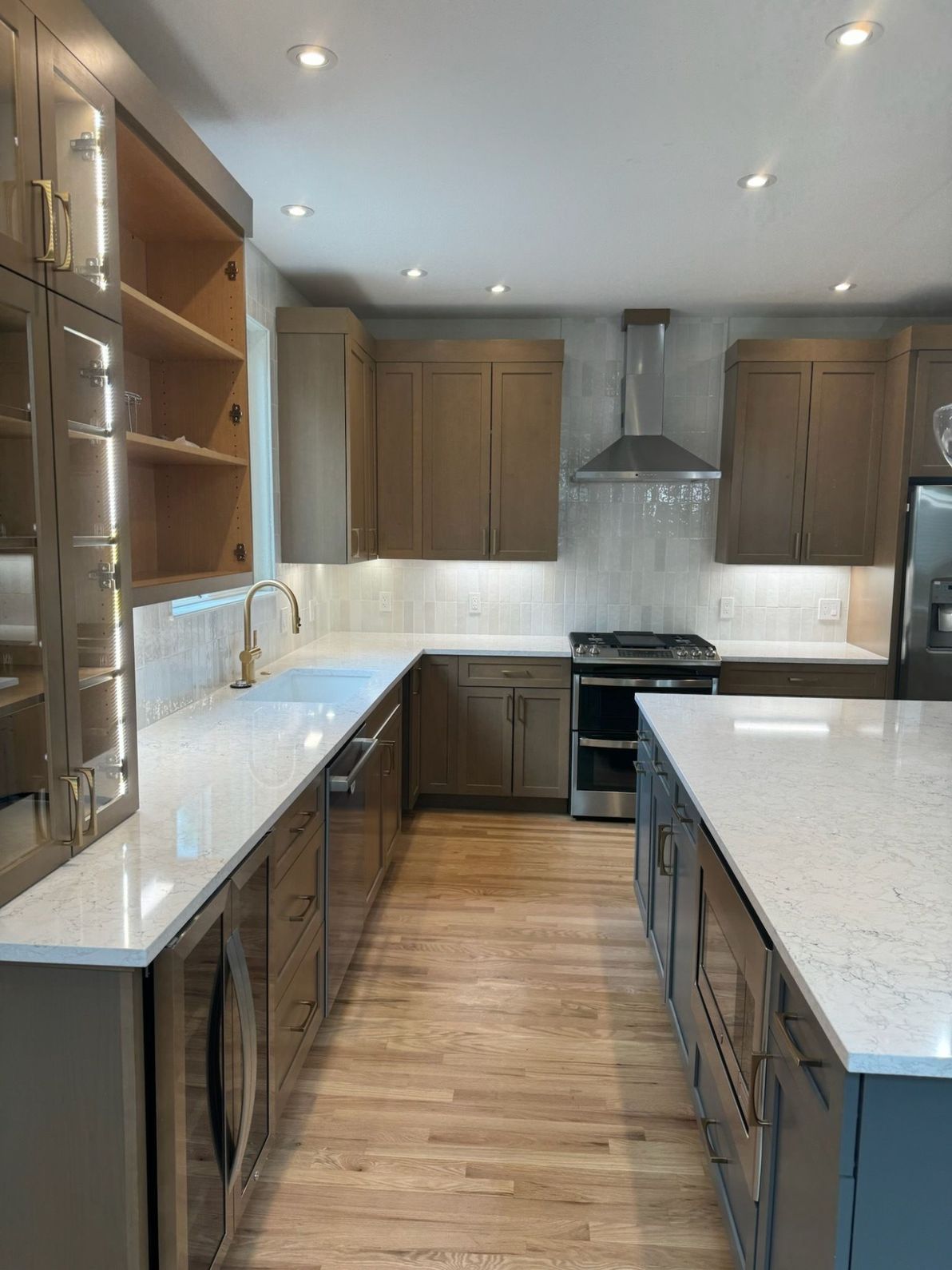
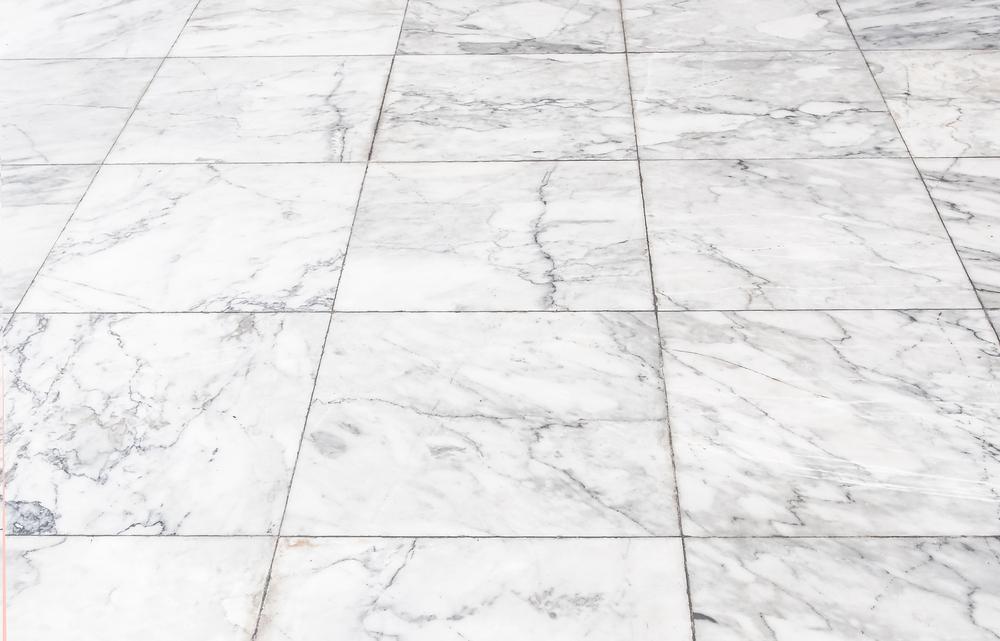
Stone adds natural depth, movement, and lasting character to interiors. It works especially well in homes where durability and visual impact need to go together. From flooring and accent applications to countertops and statement features, stone surfaces can help a room feel more grounded and more refined at the same time.
Stone requires accurate cutting, secure placement, and proper finishing if it is going to age well. That attention to detail is a major part of what we bring to each project.
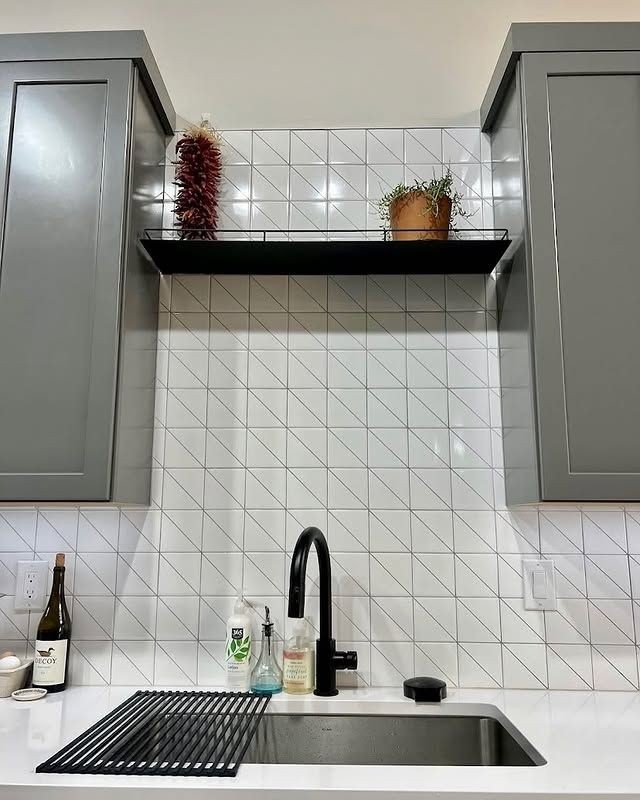
Local trust matters when homeowners are choosing who to bring into their home for tile and stone work. In addition to serving clients throughout the area, Meza Tile and Stone maintains a real local presence in Centennial. That matters for both convenience and confidence, especially when homeowners are comparing companies for kitchen, bath, tile, stone, or countertop projects.
If you want to verify location details or see the business on the map, our service-area map gives a quick view of the local listing and location context.
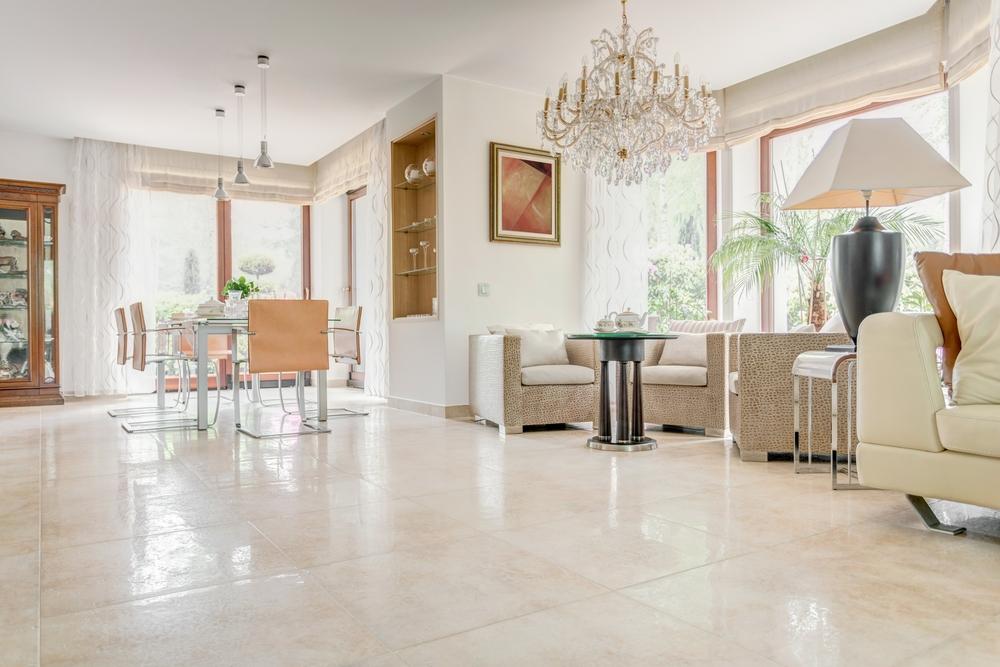
Colorado homes need finishes that can handle dry air, changing temperatures, and the kind of daily wear that comes with active households. That is why material choice and installation technique both matter. A surface that looks great on day one still has to perform in real life through use, cleaning, seasonal change, and time.
Our experience working throughout the region helps us recommend materials that make sense locally, not just visually. For homeowners interested in practical home improvement guidance and healthier indoor environments during renovation work, the EPA indoor air quality resource center offers useful information on indoor air and renovation considerations.
Client words
By Brian Ault
“Lorena was excellent - the rare ability to provide very good creative input upfront, layout the job and strong skills to complete the work with valuable attention to detail. All this at a very reasonable price!”
By Tom Sadowski
“Ernesto and Bill are a great team. They are reasonably priced and produce an incredibly beautiful final product. Their crew starts and keeps working each and every week day until the job is finished. The work is high quality and their installers are professional and meticulous in completing the work. I highly recommend them. Incredible company and tremendous employees to do tile work for you.”
By Aaron Carman
“Meza Tile and Stone is everything you are looking for in a contractor, but rarely find. Prompt, knowledgeable in their trade, and professional in every aspect. I was impressed with how quickly they provided the quote and were able to work my project into their schedule. They showed up on time, in force, and worked long days to tile my bathroom walls. Couldn't be happier with the results.”
By Talia Schuster
“Meza Tile did and excellent job on our bathroom tile project. I would highly recommend them and use them in the future.”
By Alex O
“We had the best experience working with Kahlil and Jorge. They were beyond professional, and by doing so they made us feel at ease in a very stressful situation. Very efficient, and completed the job within a short period of time. I will definitely be using them again!”
By St Oja
“The Meza crew did a great job on our master bath remodel. We had a previous contractor who we had to replace. Jorge and crew came in and did a great job salvaging the project. Would highly recommend.”
By Lane Mitchell
“This is the second bathroom I’ve used these guys for……they are quick, clean and do a great job. Helped me achieve my exact vision for both projects ✨”
By David Finberg
“Beautiful stone shower install by Meza tile. Highly professional. Exceptional attention to detail. Friendly and honest. Was blown away by the craftsmanship and good pricing. Highly recommend”
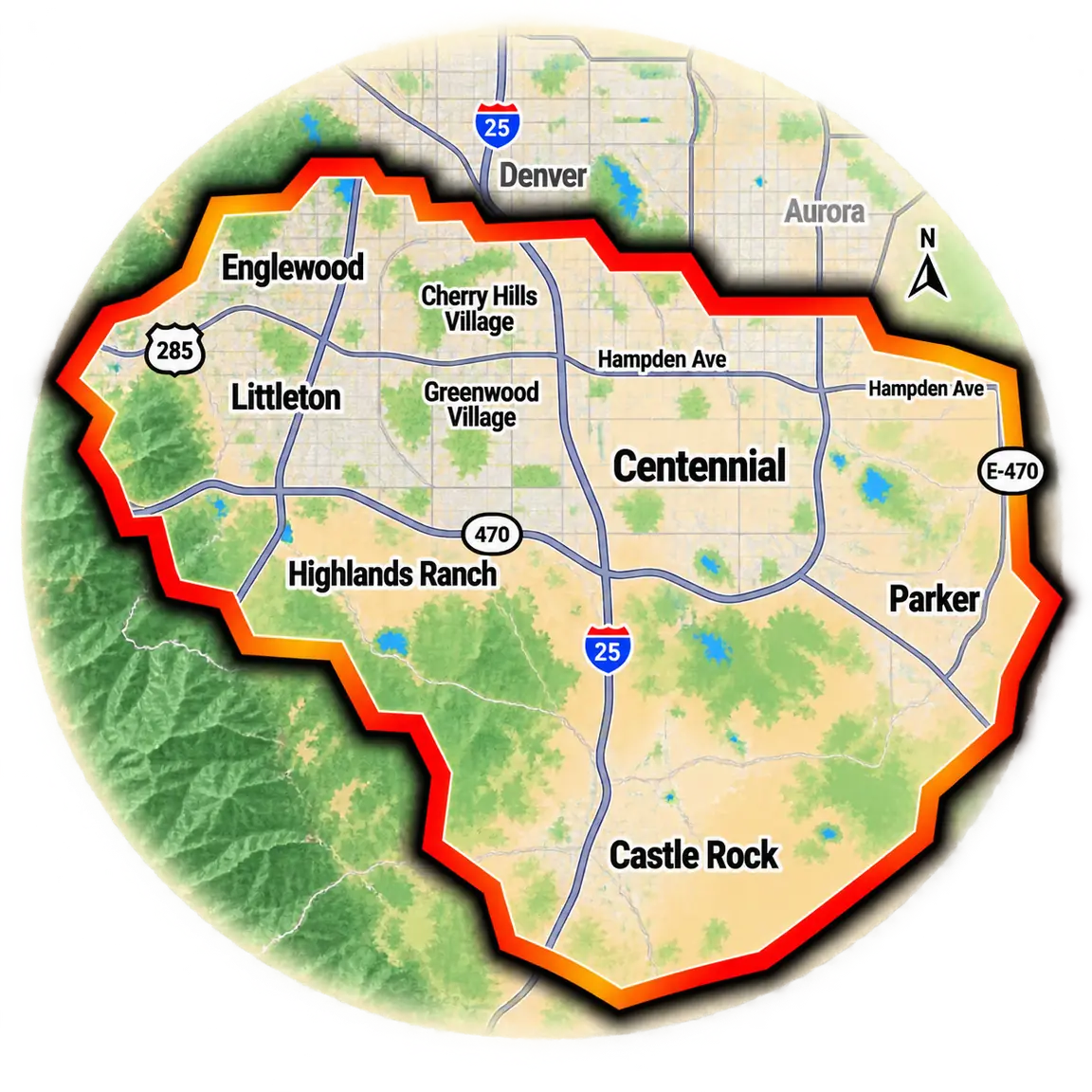
Our Colorado communities
Based in Centennial, we serve the greater and Southern Metro Denver area, Castle Rock, and Colorado Springs with expert tile and stone installation.
Let’s talk about your tile project.
Get a Free QuoteCan’t find your city? Call us (720) 936-8701
A few answers
Made for your space
Tell us what you have in mind. We’ll talk through tile, layout, timing, and the details that make the finished installation feel right.
(720) 936-8701
Find us in Colorado
6860 S Yosemite Ct, Suite 2238, Centennial, CO 80112