
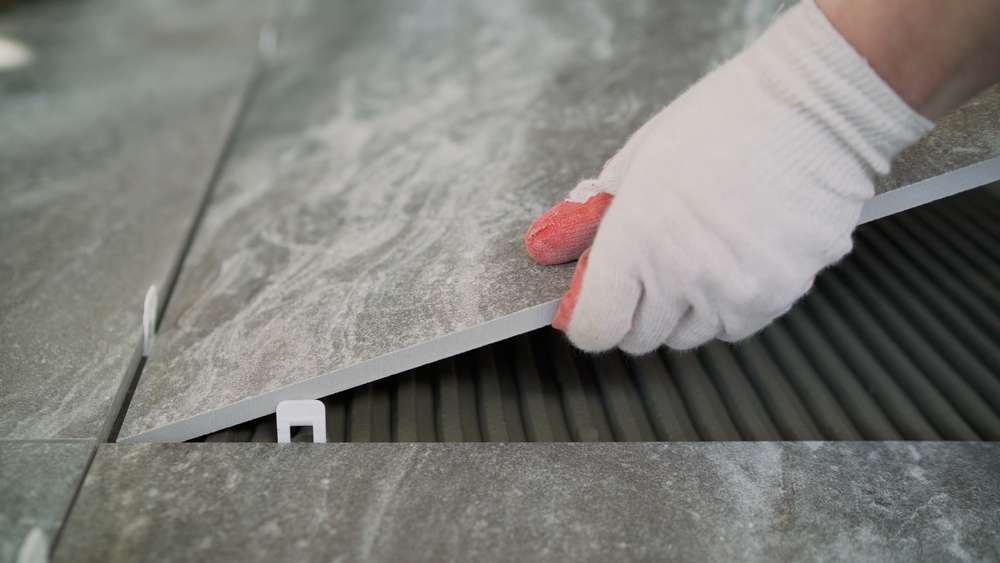
Tile journal
How Do You Fix Damaged Tile Grout?
Damaged grout can make an otherwise attractive tile surface look neglected, but the problem is often more than cosmetic.
Practical tile guidance
A closer look at the details
Explore the materials, methods, and local expertise behind our work.
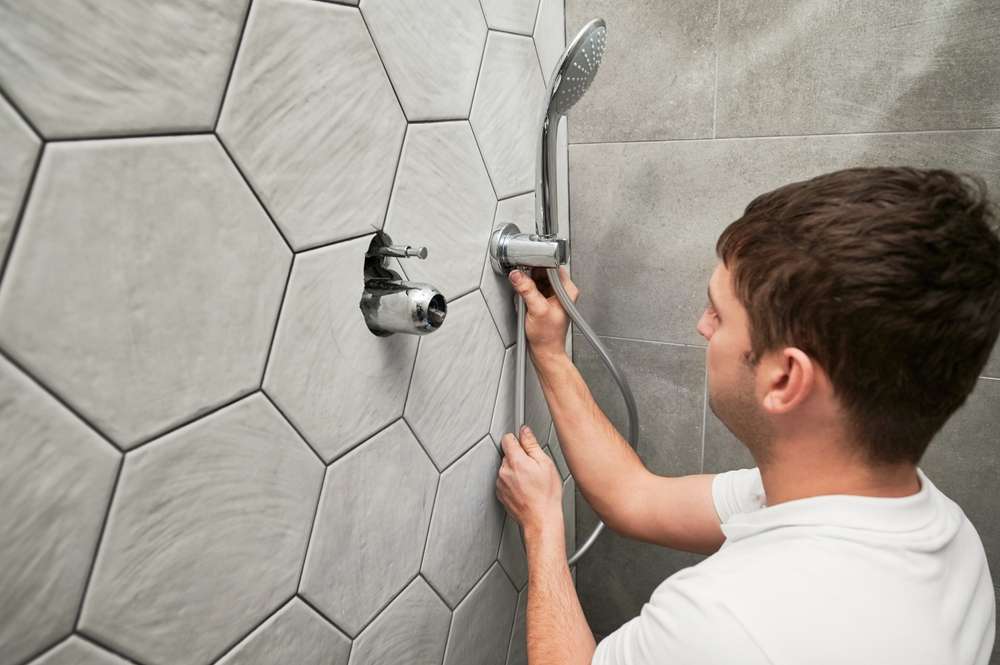
How Does Tile Grout Repair Work?
Tile grout repair begins with a careful inspection of the affected area. A tile professional will look for cracks, missing sections, discoloration, loose tiles, movement, moisture damage, and signs of mold or mildew. This evaluation helps determine whether the problem is limited to the grout or involves the tile, adhesive, waterproofing system, or substrate underneath.
Tile Grout Repair for Floors, Showers, and Walls
Grout repairs can vary depending on where the tile is installed. Floor grout must withstand foot traffic, cleaning, furniture movement, and minor structural movement. If floor tiles shift when stepped on, new grout alone may not solve the problem. Loose tiles may need to be removed and reset before the joints are filled again.
When Should Damaged Grout Be Replaced?
Grout should be replaced when it is cracked, crumbling, missing, deeply stained, or no longer bonded to the edges of the tile. A small surface crack may be repairable, but multiple cracks across a floor or shower can indicate a broader installation issue. Grout that turns to powder when scraped has lost its strength and should not be covered with a surface patch.
Cracked, Missing, or Stained Grout Problems
Cracked grout is often caused by movement rather than a defect in the grout itself. A small amount of structural settling, subfloor flexing, or thermal expansion can place stress on rigid joints. Cracks that follow the same line across several tiles may point to movement in the substrate.
What Causes Grout to Crack or Break Down?
Grout can deteriorate for several reasons, including installation errors, movement, moisture exposure, harsh cleaning, and normal aging. Improper mixing is one of the most common installation-related causes. Adding too much water can weaken cement-based grout and make it more likely to crack, shrink, or become powdery. Excess water used during cleanup can also affect the finished surface.
Why Grout Damage Should Not Be Ignored
Ignoring damaged grout can allow the affected area to become more difficult and expensive to restore. Small cracks can widen, and missing grout can expose neighboring joints to additional wear. Dirt, food residue, soap, and moisture can accumulate in open spaces. Over time, these conditions may lead to staining, odors, mildew, or damage to surrounding materials.
Planning & perspective
Considered details. Lasting results.
Explore the choices and practical guidance that shape your finished project.
When Does Damaged Tile Need to Be Replaced?
Tile may need replacement when it is cracked, chipped, loose, hollow, stained beyond restoration, or no longer securely bonded. Grout replacement cannot stabilize a tile that moves under pressure. The loose tile must usually be removed so the condition of the adhesive and substrate can be checked. Once the underlying problem is corrected, a replacement tile can be installed and grouted.
Restore Your Tile With Meza Tile and Stone
Damaged grout should be evaluated before it develops into loose tile, persistent staining, or moisture-related deterioration. Whether the project requires localized grout repair, complete regrouting, tile replacement, or a more extensive remodel, proper preparation and skilled installation are essential for a clean and durable result.
Explore our real project photographs or tell us about your tile and stone installation.
See Our Work
Made for your space
Get your free tile quote
Tell us what you have in mind. We’ll talk through tile, layout, timing, and the details that make the finished installation feel right.
(720) 936-8701
Find us in Colorado
6860 S Yosemite Ct, Suite 2238, Centennial, CO 80112