

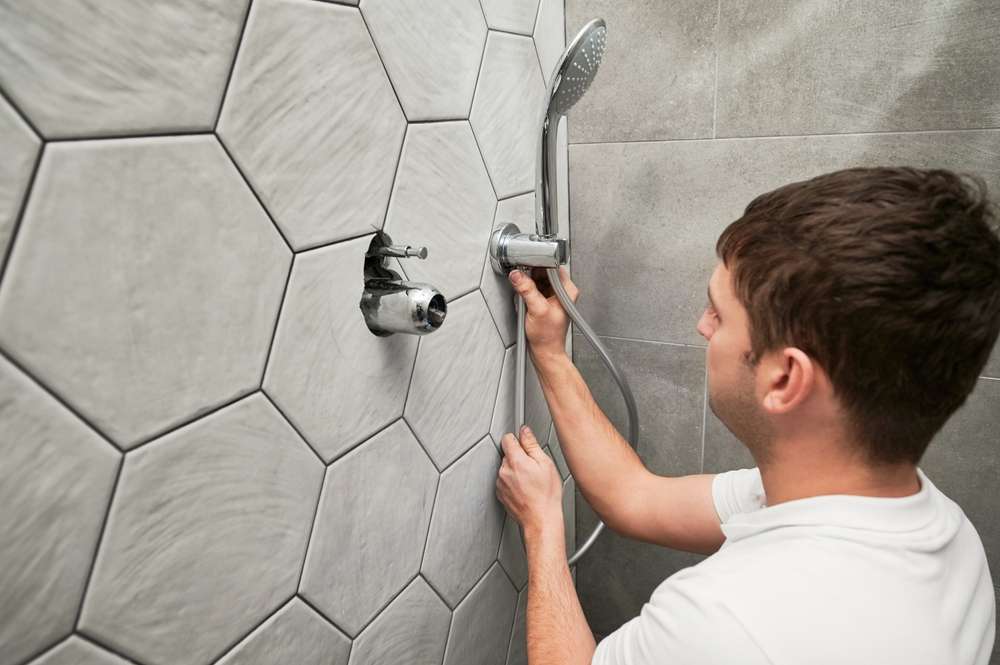
Damaged grout can make an otherwise attractive tile surface look neglected, but the problem is often more than cosmetic. Professional tile grout repair can restore the appearance of floors, showers, backsplashes, and tiled walls while helping protect the materials underneath from moisture. The right repair method depends on the extent of the damage, the condition of the surrounding tile, and the reason the grout failed in the first place. Minor cracks or isolated gaps may be repairable, while widespread deterioration may require complete grout removal and replacement. In some situations, loose or damaged tile must also be replaced before the grout can be repaired successfully.
How Does Tile Grout Repair Work?
Tile grout repair begins with a careful inspection of the affected area. A tile professional will look for cracks, missing sections, discoloration, loose tiles, movement, moisture damage, and signs of mold or mildew. This evaluation helps determine whether the problem is limited to the grout or involves the tile, adhesive, waterproofing system, or substrate underneath. Repairing only the visible crack without addressing its cause may result in the grout failing again. A thorough inspection is especially important in showers, bathroom floors, and other areas regularly exposed to water.
For small, isolated areas, damaged grout can often be removed without disturbing the surrounding tile. The technician uses specialized hand tools or powered grout-removal equipment to clear out the weak, cracked, or contaminated material. The grout joint must be opened to an appropriate depth so the new grout can bond securely. Simply spreading new grout over the top of old, damaged grout usually creates a thin patch that may crack or separate quickly. After removal, the joints are cleaned to eliminate dust, soap residue, grease, and loose particles.
New grout is then selected to match the existing grout as closely as possible. Matching may involve choosing the correct color, texture, joint width, and grout type. Cement-based, high-performance, and epoxy grout products have different characteristics, so the replacement material needs to be appropriate for the location. Once mixed and applied, the grout is worked firmly into the joints, cleaned from the tile surface, and allowed to cure. Depending on the product, a sealer may also be recommended after the grout has fully cured.
Tile Grout Repair for Floors, Showers, and Walls
Grout repairs can vary depending on where the tile is installed. Floor grout must withstand foot traffic, cleaning, furniture movement, and minor structural movement. If floor tiles shift when stepped on, new grout alone may not solve the problem. Loose tiles may need to be removed and reset before the joints are filled again. Otherwise, movement beneath the surface can cause the repaired grout to crack.
Shower grout is exposed to frequent moisture, temperature changes, soap residue, and cleaning products. Before repairing grout in a shower, it is important to check for loose tile, deteriorated caulk, water intrusion, and soft or damaged wall materials. Cracked grout does not always mean the shower is leaking because properly built showers include waterproofing behind the tile. However, damaged joints can allow water to reach areas that remain wet longer, contributing to staining, odors, mildew, and material deterioration.
Wall and backsplash repairs are often more straightforward because these surfaces experience less weight and foot traffic. Damage may result from impact, settling, poor installation, or normal wear near sinks and countertops. Small sections of missing grout can usually be removed and replaced if the tiles remain firmly bonded. Corners and changes of plane may require flexible sealant rather than rigid grout because those areas naturally experience movement.
When Should Damaged Grout Be Replaced?
Grout should be replaced when it is cracked, crumbling, missing, deeply stained, or no longer bonded to the edges of the tile. A small surface crack may be repairable, but multiple cracks across a floor or shower can indicate a broader installation issue. Grout that turns to powder when scraped has lost its strength and should not be covered with a surface patch. Replacement is also appropriate when mold, grease, or mineral deposits have penetrated too deeply for cleaning to restore the joint.
Partial grout replacement may be sufficient when the damage is limited to one or two areas. For example, a dropped object may chip a small section of floor grout while leaving the rest of the installation intact. In that case, the damaged material can be removed and replaced locally. When grout deterioration is widespread, full regrouting may provide a more consistent appearance and longer-lasting result. A complete regrouting project involves removing old grout throughout the affected surface and installing new material in all joints.
Common signs that grout needs replacement include:
- Grout falling out of the joints
- Cracks that return after previous repairs
- Soft, sandy, or powdery grout
- Large areas of permanent discoloration
- Visible gaps between tiles
- Mold or mildew that quickly returns after cleaning
- Water-related staining around grout joints
- Loose tiles near damaged grout
- Grout separating from tile edges
The cause of the deterioration should be identified before replacement begins. If the grout failed because of tile movement, inadequate adhesive coverage, substrate damage, or missing movement joints, installing fresh grout may only provide temporary improvement. Correcting the underlying installation problem gives the new grout a better chance of performing as intended.
Cracked, Missing, or Stained Grout Problems
Cracked grout is often caused by movement rather than a defect in the grout itself. A small amount of structural settling, subfloor flexing, or thermal expansion can place stress on rigid joints. Cracks that follow the same line across several tiles may point to movement in the substrate. Cracks surrounding one tile can indicate that the tile is loose or was not fully supported by adhesive. These conditions need to be evaluated before the joint is filled again.
Missing grout leaves the edges of tile exposed and creates openings where dirt and moisture can collect. The surrounding grout may continue to break away as foot traffic, cleaning, and water wear down the weakened edges. In a shower, missing sections can trap moisture and soap residue inside the joints. On a floor, exposed tile edges may become vulnerable to chipping. Prompt repair can help prevent a small gap from developing into a larger problem.
Stained grout does not always require complete replacement. Professional cleaning, stain removal, recoloring, or sealing may improve grout that is structurally sound. However, staining caused by moisture beneath the tile may return unless the source is corrected. Dark areas, persistent odors, and repeated mildew growth deserve closer inspection. Replacing stained grout without addressing ongoing moisture can hide the symptoms without resolving the underlying condition.
What Causes Grout to Crack or Break Down?
Grout can deteriorate for several reasons, including installation errors, movement, moisture exposure, harsh cleaning, and normal aging. Improper mixing is one of the most common installation-related causes. Adding too much water can weaken cement-based grout and make it more likely to crack, shrink, or become powdery. Excess water used during cleanup can also affect the finished surface. Grout must be mixed, installed, cleaned, and cured according to the manufacturer’s specifications.
Movement is another frequent cause of grout failure. Tile assemblies are rigid, but buildings naturally shift with temperature changes, humidity, settling, and daily use. Flexible materials are typically used at corners, perimeter joints, and changes of plane to accommodate this movement. When rigid grout is installed where a flexible joint is needed, it may repeatedly crack. Floors can also develop grout damage when the subfloor is not stiff enough or the tile does not have proper support.
Moisture can gradually weaken grout, especially when the material is already cracked or improperly maintained. Water can carry soap, minerals, oils, and contaminants into porous joints. These substances may contribute to discoloration and make cleaning more difficult. In areas without adequate ventilation, prolonged dampness may encourage mildew growth. While grout is not the primary waterproofing layer in a properly constructed shower, intact and maintained joints still help the surface dry and remain easier to clean.
Other causes of grout deterioration include:
- Inadequate grout depth
- Poor bonding to tile edges
- Incorrect grout selection
- Lack of movement joints
- Loose or improperly set tile
- Structural or substrate movement
- Aggressive scrubbing tools
- Acidic or harsh cleaning products
- Repeated exposure to standing water
- Normal wear in high-traffic areas
Cleaning methods can also shorten the life of grout. Wire brushes, abrasive tools, and overly strong chemicals may erode the surface or remove sealer. Routine cleaning with products designed for tile and grout is generally safer than repeated use of harsh household chemicals. Sealing certain types of grout may help reduce staining and moisture absorption, although sealers do not correct cracks, loose tile, or waterproofing problems.
Why Grout Damage Should Not Be Ignored
Ignoring damaged grout can allow the affected area to become more difficult and expensive to restore. Small cracks can widen, and missing grout can expose neighboring joints to additional wear. Dirt, food residue, soap, and moisture can accumulate in open spaces. Over time, these conditions may lead to staining, odors, mildew, or damage to surrounding materials. Early repairs are often more manageable than waiting until the tile begins to loosen or the substrate deteriorates.
Moisture-related concerns are particularly important in bathrooms, kitchens, laundry rooms, and entryways. Water that enters damaged joints may remain beneath or around the tile longer than moisture on an intact surface. If the installation lacks proper waterproofing or has another hidden defect, repeated exposure can damage drywall, backer materials, wood framing, or subfloor components. Warning signs may include soft walls, swollen baseboards, musty odors, loose tiles, or stains on nearby ceilings and walls.
Damaged grout can also create cleaning and safety concerns. Deep gaps collect debris and can be difficult to sanitize. Uneven tile edges caused by loose tiles may create a tripping hazard. Sharp or chipped tile can develop when unsupported edges are exposed. A professional evaluation can identify whether the problem is a simple grout repair or evidence that part of the tile installation needs to be rebuilt.
When Does Damaged Tile Need to Be Replaced?
Tile may need replacement when it is cracked, chipped, loose, hollow, stained beyond restoration, or no longer securely bonded. Grout replacement cannot stabilize a tile that moves under pressure. The loose tile must usually be removed so the condition of the adhesive and substrate can be checked. Once the underlying problem is corrected, a replacement tile can be installed and grouted.
A cracked tile does not always mean the entire tiled area must be replaced. If matching material is available and the surrounding installation is sound, an individual tile may be removed and replaced. However, a pattern of cracked tiles can point to substrate movement, improper installation, or insufficient expansion accommodation. Replacing each tile without resolving the cause may lead to repeated cracking.
Tile replacement may be necessary when:
- The tile moves or rocks when touched
- Cracks extend through multiple tiles
- The tile has sharp or missing edges
- Moisture damage exists behind the installation
- The substrate is soft, swollen, or deteriorated
- The adhesive has failed
- Matching grout repairs cannot be completed around a severely damaged tile
A knowledgeable tile contractor can determine how much of the installation needs to be opened. In some cases, only one tile and the surrounding grout joints require work. In others, a larger section must be removed to repair waterproofing, backer board, subflooring, or framing. Careful diagnosis helps avoid unnecessary demolition while ensuring the repair addresses the full problem.
Frequently Asked Questions
Can cracked grout be repaired without replacing the tile?
Yes. If the tile is firmly bonded and the damage is limited to the grout, the failed material can often be removed and replaced without removing the tile.
Can new grout be applied over old grout?
Applying a thin layer over old grout is generally not a durable repair. The damaged grout should be removed to an appropriate depth so the new material can bond securely.
Does cracked shower grout mean there is a leak?
Not necessarily. Properly built showers have a waterproofing system behind the tile, but cracked grout can allow moisture and residue to collect. The area should be inspected for other signs of water intrusion.
How can I tell whether a tile is loose?
A loose tile may move, rock, sound hollow, or produce cracking noises when pressure is applied. Grout cracks around the tile may also indicate movement.
Can stained grout be cleaned instead of replaced?
Yes, if the grout is structurally sound. Professional cleaning, recoloring, or sealing may restore its appearance. Deep staining associated with moisture may require further investigation.
Why does repaired grout keep cracking?
Recurring cracks often indicate movement, loose tile, substrate flexing, or the use of grout where flexible sealant is needed. The underlying cause must be corrected for a lasting repair.
Is grout sealer required after a repair?
Some cement-based grout products benefit from sealing, while epoxy and certain high-performance grouts may not require it. The product instructions and installation location determine whether sealing is appropriate.
How quickly should missing grout be repaired?
Missing grout should be addressed promptly, especially in wet areas or high-traffic locations. Early repair can reduce moisture accumulation, tile-edge damage, and further joint deterioration.
Restore Your Tile With Meza Tile and Stone
Damaged grout should be evaluated before it develops into loose tile, persistent staining, or moisture-related deterioration. Whether the project requires localized grout repair, complete regrouting, tile replacement, or a more extensive remodel, proper preparation and skilled installation are essential for a clean and durable result.
Your home deserves materials and workmanship that feel clean, durable, and thoughtfully finished from every angle. Meza Tile and Stone brings more than two decades of experience to tile installation, stone installation, countertops, and remodeling work across Centennial and the Southern Metro Denver area. Whether you are planning a kitchen tile upgrade, a bathroom tile remodel, new floor tile, or a standout custom tile feature, our team is ready to bring your vision together with detail-focused craftsmanship. Visit our contact page or call directly to discuss your project goals, materials, and timeline.