

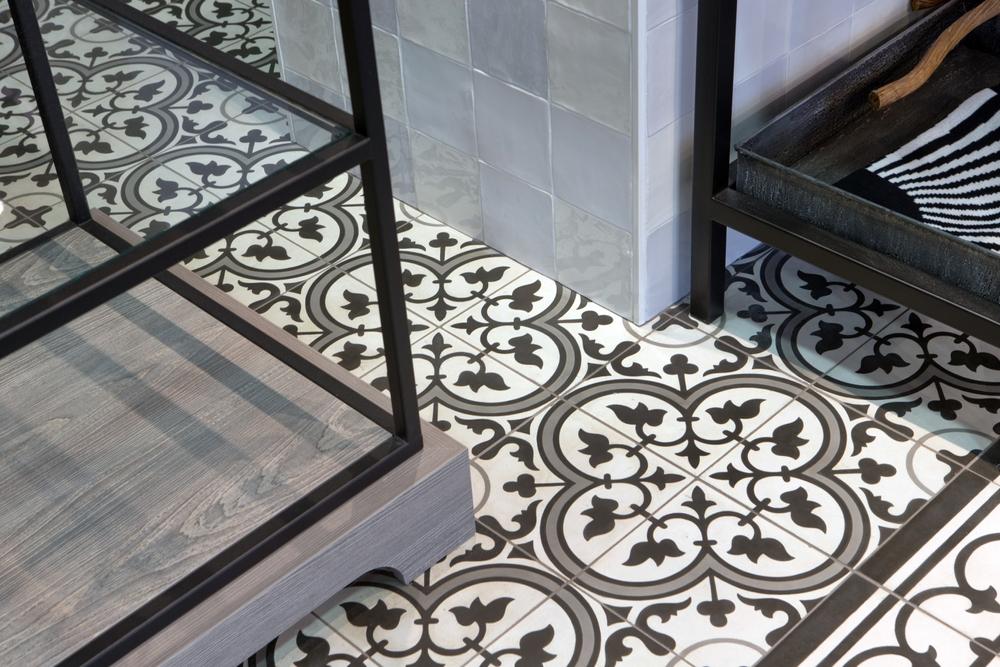
Tile floor installation is one of the most popular ways to add durability, style, and long-term value to a home, but the final cost can vary widely depending on the material, room size, subfloor condition, layout, and level of craftsmanship required. Homeowners often begin with a simple question: “How much should I budget?” While there is no one-size-fits-all answer, most tile flooring projects are priced based on a combination of material costs, labor, preparation work, pattern complexity, and finishing details.
In general, tile flooring can be a cost-effective investment because it holds up well in high-traffic areas, resists moisture better than many other flooring options, and offers a clean, finished look that can complement both modern and traditional homes. However, the lowest quote is not always the best value. With tile, you often get what you pay for. A properly installed tile floor should be level, evenly spaced, well-bonded, and built to last. Poor prep work, rushed installation, or inexperienced labor can lead to cracking, uneven grout lines, hollow spots, loose tiles, and costly repairs down the road.
Understanding what goes into the price can help homeowners compare quotes more confidently and plan a realistic budget.
What Impacts the Price of Tile Flooring?
Tile floor installation costs are influenced by more than the tile itself. Two homeowners may choose similarly priced materials but receive very different estimates based on room conditions, layout, demolition needs, and design details. A straightforward square room with a stable subfloor and standard porcelain tile will usually cost less than a bathroom with old flooring removal, waterproofing, floor leveling, natural stone, and a custom pattern.
Some of the biggest factors that affect tile flooring prices include:
- Tile material: Porcelain, ceramic, marble, travertine, slate, limestone, and other natural stone options all carry different material and installation costs.
- Room size: Larger spaces require more tile, mortar, grout, labor, and time.
- Subfloor condition: Uneven, damaged, or unstable subfloors may need repair or leveling before tile can be installed.
- Removal of old flooring: Existing tile, hardwood, vinyl, carpet, or laminate may need to be removed and hauled away.
- Tile size and shape: Large-format tile, mosaics, hexagons, planks, and irregular stone pieces often require more precision.
- Pattern and layout: Diagonal layouts, herringbone, chevron, borders, inlays, and custom designs typically increase labor.
- Room complexity: Bathrooms, laundry rooms, mudrooms, and kitchens may require extra cutting around fixtures, cabinets, drains, transitions, or walls.
- Waterproofing and underlayment: Wet areas often require added preparation to protect the structure beneath the tile.
- Installer experience: Skilled tile professionals may charge more, but they can also deliver cleaner lines, stronger bonding, and better long-term performance.
A basic tile flooring project may be relatively straightforward, but custom work can become more labor-intensive quickly. That is why it is important to look closely at what each quote includes rather than comparing price alone.
Tile Floor Installation Costs by Material
The material you choose has a major impact on the final cost of your tile flooring project. Tile prices vary not only by appearance, but also by how difficult the material is to cut, set, seal, and finish.
Ceramic tile is often one of the more budget-friendly options. It works well in many indoor spaces and comes in a wide range of colors, sizes, and styles. Ceramic is generally easier to cut than porcelain or stone, which can help keep labor costs more manageable. However, not all ceramic tile is ideal for every floor, especially in areas with heavy traffic or moisture exposure.
Porcelain tile is typically denser and more durable than standard ceramic tile. It is a popular choice for kitchens, bathrooms, entryways, laundry rooms, and other high-use spaces. Porcelain can mimic the look of wood, concrete, marble, limestone, and other materials while offering excellent durability. Because porcelain is harder, it may take more time and specialized tools to cut cleanly, especially with large-format tile or detailed layouts.
Natural stone tile usually falls into a higher price range because the material itself is often more expensive, and the installation process requires more care. Stone has unique variation from piece to piece, which is part of its beauty, but it also means the installer may need to sort, blend, cut, and place tiles thoughtfully for the best visual result.
Common natural stone options include:
- Marble: Elegant and classic, often used in bathrooms, foyers, and feature areas. Marble can be more delicate than porcelain and may require sealing and careful maintenance.
- Travertine: Warm and textured, with natural pits and variation. It can create a timeless look, but may need filling, sealing, and a more detailed installation.
- Slate: Durable and rich in color, often used for rustic, traditional, or organic designs. Slate can vary in thickness, which may require extra leveling during installation.
- Limestone: Softer and more subtle in appearance, often used for refined, natural-looking floors. It may require sealing and thoughtful care.
- Granite: Very hard and durable, though less common for full floor tile than countertops or accents. It can be more challenging to cut and install.
Natural stone generally takes longer to install than standard tile because it may require sealing, additional handling, more careful cuts, and attention to thickness variation. Some stone materials also need extra drying or curing time before they are ready for regular use. These details can add to labor costs, but they also contribute to a more polished and lasting result.
Subfloor Prep, Removal, and Labor Costs
Subfloor preparation is one of the most important parts of a tile flooring project, and it is also one of the areas where homeowners may not realize costs can change. Tile needs a stable, flat, and properly prepared surface. If the floor beneath the tile moves, dips, flexes, or contains moisture issues, the finished tile surface can fail over time.
Common prep work may include:
- Removing old flooring
- Scraping or grinding old adhesive
- Repairing damaged subfloor areas
- Leveling low spots
- Addressing cracks in concrete
- Installing cement board or an uncoupling membrane
- Adding waterproofing in moisture-prone rooms
- Checking floor height transitions
- Preparing doorways, edges, and thresholds
Old tile removal can be especially labor-intensive. Existing tile may need to be broken up, removed, cleaned, and hauled away before the installer can even assess the surface underneath. In some cases, demolition reveals problems that were hidden, such as water damage, cracked concrete, uneven plywood, or poor previous installation work.
Labor costs also depend on the skill level required. A simple grid pattern with standard-size tile is usually faster to install than a detailed design with multiple cuts and tight alignment requirements. Larger tiles may look clean and modern, but they often require a flatter substrate because even small variations in the floor can create lippage, where one tile edge sits higher than another. Smaller mosaics may be easier to fit around curves and drains, but they require careful sheet alignment and more grout work.
This is where professional installation matters. A quality tile installer understands how to prepare the floor, plan the layout, manage cuts, set tile with proper coverage, and finish the grout cleanly. These steps are not just cosmetic. They directly affect how well the floor performs over time.
Best Rooms for Durable Tile Flooring
Tile is a practical choice for many areas of the home, especially rooms where durability, moisture resistance, and easy maintenance are priorities. While tile can be used almost anywhere, certain spaces are especially well-suited for it.
Kitchens are one of the most common areas for tile flooring. Tile can stand up to spills, foot traffic, dropped utensils, and frequent cleaning. Porcelain is especially popular in kitchens because it offers durability and a wide range of design options.
Bathrooms are another ideal location for tile. Tile works well with moisture-prone areas, especially when paired with proper waterproofing and professional installation. Homeowners can choose porcelain for low-maintenance performance or natural stone for a more spa-like look.
Laundry rooms benefit from tile because washers, dryers, water lines, and utility sinks can all create moisture concerns. A durable tile floor can help protect the space while making cleanup easier.
Mudrooms and entryways are also strong candidates. These areas often deal with shoes, dirt, snow, rain, pets, and heavy traffic. Tile can create a durable surface that is easier to clean than carpet or hardwood.
Basements may also work well with tile, particularly over concrete slabs. However, concrete conditions, moisture levels, cracks, and leveling should be evaluated before installation begins.
For homeowners who want a consistent look, tile can also be extended through hallways, open kitchens, dining areas, and living spaces. Large-format porcelain or stone-look tile can create a clean flow throughout the home, while patterned tile can define smaller areas with personality.
Is Professional Tile Floor Installation Worth It?
Professional tile floor installation is often worth the investment because tile is a finish material that depends heavily on what happens underneath it. Even expensive tile can look uneven or fail early if it is installed over a poorly prepared floor. On the other hand, a skilled installer can help a mid-range tile look beautiful by planning the layout carefully and executing the details correctly.
Organizations such as the Tile Council of North America publish handbook standards that many professional installers reference for substrate prep, movement joints, and setting materials, which helps explain why proper technique matters as much as the tile itself.
Hiring a professional can help with:
- Accurate measuring and material estimating
- Proper subfloor evaluation
- Correct mortar, grout, and underlayment selection
- Clean cuts around walls, cabinets, vents, and fixtures
- Better layout planning to avoid awkward slivers
- Straighter grout lines and consistent spacing
- Moisture protection in bathrooms and laundry rooms
- Stronger long-term performance
Tile work can look simple from the outside, but it requires precision. The installer has to manage slope, spacing, pattern alignment, material variation, curing time, movement joints, and transitions to other flooring surfaces. Mistakes may not be obvious right away, but they can show up months or years later as cracked grout, loose tiles, uneven surfaces, or water damage.
Professional installation is especially valuable for:
- Natural stone floors
- Large-format tile
- Heated tile floors
- Shower and bathroom floors
- Herringbone or diagonal patterns
- Rooms with uneven subfloors
- Custom borders, inlays, or feature designs
- Projects where long-term durability matters
There is also value in knowing that the finished floor will look intentional from every angle. A skilled installer will consider where full tiles should land, how cuts will appear at the edges, how grout color affects the finished design, and how the floor will transition into nearby rooms. These details can make the difference between a floor that simply covers the space and one that feels thoughtfully finished.
When reviewing quotes, homeowners should be cautious about unusually low pricing. A lower number may leave out prep work, disposal, leveling, waterproofing, or premium setting materials. It may also reflect rushed labor or limited experience. Getting what you pay for is especially true with tile because a floor is only as strong as the preparation and craftsmanship behind it.
Patterns, Layouts, and Design Choices That Influence Price
The layout you choose can have a major effect on the installation cost. A standard straight lay pattern is usually the most efficient because it involves fewer complex cuts and simpler alignment. More decorative patterns require extra planning, more cuts, more time, and often more waste.
Common tile patterns include:
- Straight lay: A clean, simple layout that is typically the most budget-friendly.
- Diagonal: Installed at an angle, creating visual movement but requiring more cuts along walls and edges.
- Running bond: Similar to a brick pattern, commonly used with rectangular tile.
- Herringbone: A stylish zigzag pattern that requires careful layout and precision cuts.
- Chevron: Similar to herringbone, but with angled tile ends that create a continuous V shape.
- Basketweave: Often used with smaller tile or natural stone for a classic look.
- Mosaic layouts: Detailed and decorative, but alignment and grout work can take longer.
- Borders and inlays: Custom details that add visual interest but increase labor.
Tile size matters too. Large-format tiles can reduce grout lines and create a modern, seamless look, but they require a very flat floor and careful handling. Small-format tiles and mosaics may be great for bathrooms, powder rooms, and accents, but they can involve more grout and more detail work. Patterned tile may require careful placement so the design repeats properly and does not look off-center.
Material waste should also be included in the budget. Most tile projects require extra material for cuts, breakage, pattern matching, and future repairs. A simple layout may need a smaller overage, while diagonal patterns, herringbone designs, and natural stone installations may require more.
What Homeowners Should Budget For
A tile flooring budget should include more than the tile price shown on a showroom tag. Homeowners should account for materials, labor, prep work, finishing products, and possible repairs to the existing floor.
A complete tile flooring budget may include:
- Tile material
- Mortar or thinset
- Grout
- Sealant for certain materials
- Underlayment or membrane
- Waterproofing products if needed
- Floor leveling products
- Removal and disposal of old flooring
- Labor for layout, cutting, setting, and grouting
- Baseboard removal or replacement if applicable
- Transition strips or thresholds
- Extra tile for waste and future repairs
It is also wise to set aside a contingency amount, especially for older homes or projects involving demolition. Hidden issues are not uncommon. Once old flooring is removed, the installer may find uneven areas, moisture damage, cracks, or layers of previous flooring that need to be addressed before new tile can be installed correctly.
FAQ
How much does tile floor installation usually cost?
Tile floor installation costs vary based on material, labor, room size, subfloor condition, and design complexity. Standard ceramic or porcelain tile in a simple layout will usually cost less than natural stone, large-format tile, or custom patterns.
Is porcelain more expensive to install than ceramic?
Porcelain can cost more to install because it is denser and harder to cut. It is also highly durable, making it a strong option for kitchens, bathrooms, entryways, and other high-traffic spaces.
Does natural stone cost more than porcelain tile?
In many cases, yes. Natural stone often costs more for both materials and labor because it may require sealing, careful handling, sorting, blending, and more detailed installation.
Why does subfloor prep affect the price so much?
Tile needs a flat, stable surface. If the subfloor is uneven, damaged, cracked, or not properly prepared, the finished tile can crack, loosen, or wear poorly. Prep work helps protect the investment.
Do tile patterns increase installation costs?
Yes. Patterns such as herringbone, chevron, diagonal layouts, mosaics, borders, and inlays usually require more planning, more cuts, and more labor than a basic straight lay pattern.
How long does tile flooring take to install?
Project timelines vary depending on room size, material, prep work, and drying or curing requirements. Some materials and setting products require additional time before the floor can be grouted or used normally.
Is professional tile installation better than DIY?
For many homeowners, professional installation is worth it. Tile requires precise prep, layout, cutting, setting, and grouting. Mistakes can be expensive to repair, especially in bathrooms, kitchens, and high-traffic areas.
What is the best tile for high-traffic areas?
Porcelain is often a strong choice for high-traffic areas because it is dense, durable, and available in many styles. Some natural stones can also be durable, but they may require more maintenance.
Should I buy extra tile?
Yes. Extra tile is helpful for cuts, breakage, pattern matching, and future repairs. The amount of extra tile needed depends on the layout, material, and room shape.
Plan Your Tile Floor Installation With Meza Tile and Stone
Your home deserves materials and workmanship that feel clean, durable, and thoughtfully finished from every angle. At Meza Tile and Stone, we bring more than two decades of experience to tile installation, stone installation, countertops, and remodeling work across Centennial and the Southern Metro Denver area.
Whether you are planning a kitchen tile upgrade, a bathroom tile remodel, new floor tile, or a standout custom tile feature, our team is ready to help bring your vision together with detail-focused craftsmanship. From material selection and subfloor preparation to layout planning and final finishing, quality installation makes a lasting difference.
To start the conversation, call us directly to discuss your project goals, materials, and timeline.